U.S. import bans on Canadian liquor, dairy and motorcycles take effect, sending immediate shock through Ottawa and industry
On September 29, 2026, presidential proclamations from Washington took effect that bar importation of specified Canadian alcoholic beverages, dairy products and certain motorcycles. The measures mark a major escalation in the bilateral trade dispute and pose immediate economic and political challenges for Canada.
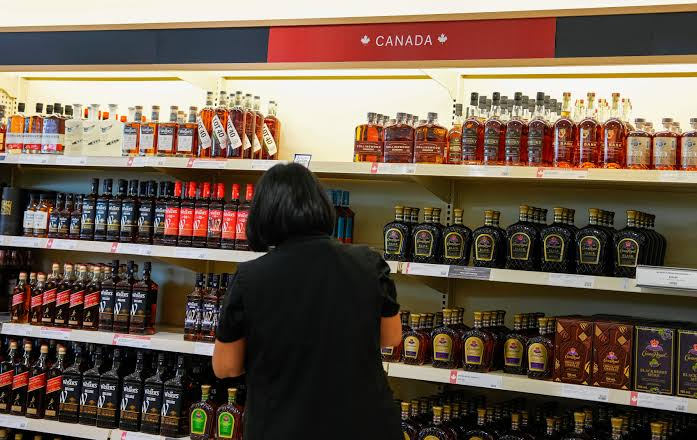
On September 29, 2026, a set of U.S. presidential proclamations came into force that exclude a defined list of Canadian products from entry into the United States. The measures target a range of alcoholic beverages, selected dairy products including whey, and certain motorcycles and related items. The action represents the latest and most tangible escalation in a months long trade confrontation between Ottawa and Washington, after earlier rounds of tariffs and countermeasures that have already strained commercial and political ties. The proclamations, published by the White House in September, directed that specified categories of Canadian goods are to be excluded from importation into the United States effective at 12:01 a.m. eastern time on September 29, 2026. They follow U.S. determinations under U.S. trade law that certain Canadian policies place U.S. commerce at a disadvantage, and they convert some previously announced extra duties into outright import bans for the listed products. Why the bans matter The United States is Canada’s largest single trading partner by a wide margin, and many Canadian producers depend on cross border access. While the banned products do not represent the bulk of two way trade, they include high value consumer items and industrial inputs for specific supply chains. Beyond immediate bilateral shipments, the measures also risk disrupting longer term contracts, investor confidence and supply arrangements that integrate manufacturers and processors on both sides of the border. The bans also carry a political intensity that exceeds a routine trade dispute. In Ottawa, the restrictions are likely to be read as leverage aimed at forcing concessions on separate disagreements over automobile market access and other regulatory steps. For Canadian exporters and provincial governments whose production and jobs depend on the affected sectors, the timing and scope of the U.S. move inflict direct, short term pain and complicate damage control planning. How the measures will be implemented U.S. agencies were empowered by the proclamations to implement the import exclusions and to issue guidance for Customs and Border Protection and other enforcement organs. The White House also signaled coordinated steps to limit Canadian access to some U.S. government procurement contracts and to adjust the scope of existing additional ad valorem duties under Section 338 of U.S. trade law. Domestic Canadian exposure and immediate effects Industry groups and provincial authorities face a patchwork exposure. Producers of certain Canadian whiskies and wines that rely on U.S. retail and on premise markets will see those sales channels cut off where goods fall within the listed Harmonized Tariff Schedule subheadings. Some dairy processors that ship whey and related ingredients into the United States may need to redirect production, seek alternative markets, or hold inventories at a cost to cash flow. Manufacturers and dealers of particular motorcycle models and parts designated in the annex will likewise lose direct access to U.S. buyers for those goods. Because many supply chains are deeply integrated across the border, import bans on narrowly defined products can cause knock on effects beyond the immediately listed items. Suppliers who deliver components, packaging or logistics services linked to the banned goods could also see orders disappear or be delayed as firms scramble to reconfigure distribution. Ottawa’s options and likely response Canada has several channels to respond, each with tradeoffs. Ottawa can pursue formal dispute settlement or countermeasures through the World Trade Organization or negotiate bilateral remedies with U.S. counterparts. It can retaliate with its own tariffs or import restrictions targeted at politically salient U.S. industries, though past rounds of tit for tat measures have shown that such steps can deepen economic harm on both sides. Canadian federal and provincial officials also have operational choices including export assistance for affected firms, short term financial relief, and work to accelerate access to alternative markets. The Canadian government has in recent weeks emphasized efforts to reduce economic dependence on a single market by diversifying trade and accelerating domestic industrial and supply chain resilience, measures that now acquire renewed urgency. Political stakes Domestically in Canada, the measures are likely to become a central political issue. Affected producers and provincial governments that rely on the targeted exports will press Ottawa for swift and concrete action. Opposition parties may use the escalation to criticize the governing federal team’s strategy and preparedness. At the same time, any Canadian retaliation risks further escalation and broader economic cost, complicating the calculus for federal leaders. For the bilateral relationship, the bans mark a clear deterioration of trust on trade. The United States has framed the action as a lawful response to what it describes as discriminatory Canadian measures. Canada says it will defend its interests, and the two capitals now face a crucial period in which negotiation, legal channels and economic management will determine whether the dispute widens or is contained. What to watch next In the hours and days after the bans took effect, key indicators to monitor include official statements from the Prime Minister’s Office and Global Affairs Canada detailing Ottawa’s immediate plan; announcements of emergency support or trade diversion assistance for affected sectors; and whether Canada files formal challenges in international dispute channels. Markets and firms will also provide early signals. Canadian exporters of the affected goods will report on shipments that were blocked or rerouted, and retailers and wholesalers in North America will disclose any contract disruptions. Provincial governments with large dairy or beverage industries may announce specific mitigation measures or appeals to Ottawa. The arrival of import bans at midnight on September 29 represents a significant new phase of an already tense trade confrontation. How Ottawa responds, and whether either capital chooses to step back from escalation or to press the dispute further, will shape economic and political fallout in the weeks ahead.
Topics
LocationOttawa