U.S. Congress Begins Scrutiny of Xi Visit, Fractures Over Taiwan and Arms Sales Emerge
In the week after Chinese leader Xi Jinping’s state visit to Washington, U.S. lawmakers from both parties are publicly parsing the summit’s outcomes, focusing on Taiwan, pending arms notifications, and the strategic balance with Beijing.
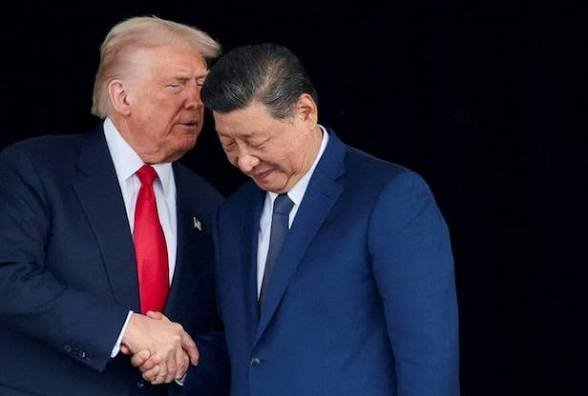
Beijing’s statecraft and U.S. domestic politics intersected this week as members of the U.S. Congress moved from immediate reaction to formal review of President Xi Jinping’s recent state visit to Washington. Lawmakers across the aisle expressed guarded approval for some elements of the bilateral engagement while warning that ceremonial warmth must not obscure hard questions about Taiwan, arms transfers, and technology competition. Republican and Democratic senators and representatives framed their responses around three recurring themes: whether the administration secured durable safeguards for U.S. security partners, how any concessions or pauses on arms notifications might be justified, and whether the Trump administration has preserved Congress’s oversight role on high value security assistance. Taiwan and the arms question Several lawmakers flagged an unresolved, politically charged issue: a multibillion dollar package of arms sales to Taiwan that was approved by Congress earlier in the year but that White House officials have said remains under executive review. Critics argued that any hint the package is contingent on broader executive negotiations with Beijing would set a risky precedent for Taiwan’s deterrence and for congressional prerogatives. Democratic senators demanded clarity that any executive decision would preserve Taiwan’s ability to deter coercion, framing the question not as a transactional bargaining chip but as a matter of regional stability. Republican critics, while more supportive of engagement with Beijing, also emphasized that strategic competition requires maintaining credible support for allies and partners in the Indo Pacific. Technology, economic leverage and oversight Beyond immediate security questions, members of Congress signaled renewed focus on legislative tools designed to limit China’s access to critical technologies and to reduce strategic supply chain dependencies. Bills introduced in recent months to tighten export controls and to strengthen investment reviews were cited by lawmakers who said the summit underscored the need to codify guardrails that survive changes in the executive branch. Lawmakers asked administration officials to detail agreements reached on artificial intelligence dialogues and trade rollovers, pressing for specific timelines and mechanisms to ensure follow through. Several members insisted that any diplomatic understandings be paired with enforceable commitments at the departmental level. Partisan dynamics and public optics The spectacle of a state visit and state dinner for Xi quickly became a focal point for critics on both sides of the aisle. Some senators described the ceremonial trappings as discordant with persistent concerns over human rights, economic coercion, and military pressure in the region. Others warned that rhetorical criticism alone would not substitute for a coherent long term strategy that balances engagement and deterrence. At the same time, proponents of the administration’s approach argued the summits produced a valuable diplomatic opening that could yield measurable reductions in near term tensions and create space for managing shared risks, including those involving artificial intelligence and opioids precursor controls. Why this matters Congressional scrutiny matters because the U.S. legislative branch holds key levers over security assistance, trade law, and oversight of export controls. If lawmakers conclude the administration has ceded too much discretion to the executive without sufficient safeguards, they may pursue legislation or hold additional hearings that reshape U.S. policy toward Beijing. Any shift in U.S. posture on arms to Taiwan or on technology controls could produce ripple effects across the Indo Pacific. Taiwan’s deterrent posture would be affected by the timing and content of weapons notifications. U.S. trading partners and allied governments would watch whether the visit marks only a temporary lull in tensions or a durable turning point in the strategic competition with China. What comes next Expect Capitol Hill to remain active on this topic in the coming weeks. Lawmakers likely will seek classified briefings, demand written notifications about arms sales, and press for formal timelines on the administration’s follow up to any summit commitments. Congressional activity will be an important determinant of whether the recent high level engagement with Beijing results in managed competition, or whether it spurs new laws and tighter controls that harden the strategic rivalry. For Beijing, congressional reactions will test whether the optics of diplomacy in Washington translate into lasting policy changes in the United States, or whether domestic political dynamics in Washington reassert themselves in ways that complicate bilateral cooperation.
Topics
LocationUnited States