Rights group documents 68 political violence incidents in September in Bangladesh, leaving four dead and 527 injured
A monthly report by the Human Rights Support Society says September saw dozens of political clashes across Bangladesh, driven largely by internal party disputes and extortion, underscoring persistent instability since the 2026 election.
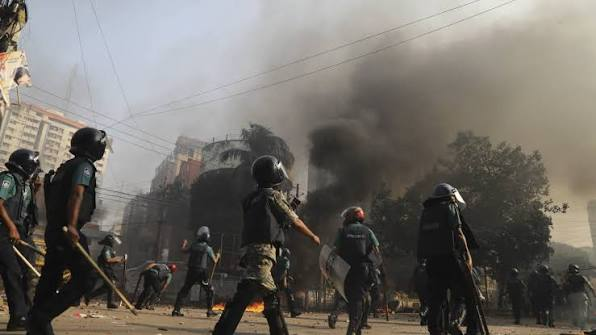
A human rights monitoring group has recorded a sustained level of politically motivated violence across Bangladesh in September, documenting 68 separate incidents that left four people dead and 527 injured. The monthly tally, released by the Human Rights Support Society, describes a pattern of clashes tied to intra party feuds, turf fights and alleged extortion, and warns the trend continues to exacerbate public insecurity and undermine democratic normalisation. The HRSS report, published at the start of October, draws on reports from 16 national media outlets together with the organisation’s own field investigations and fact finding. Its September totals are slightly lower than those for August, when 70 incidents were recorded, but the organisation said the incidents in September nonetheless produced a heavy human cost and continued to reflect deep political polarisation across the country. Internal divisions within one major opposition party accounted for a large share of the incidents. According to the HRSS figures, 35 of the 68 incidents stemmed from internal conflicts within the Bangladesh Nationalist Party or its local affiliates. Those intra party clashes alone were associated with 340 injuries and at least one death, the report says. Other incidents involved confrontations between rival political groupings, including clashes between the BNP and the Awami League, and between the BNP and Jamaat, among others. The HRSS release also flagged arrests and mass legal actions tied to the violence. The report says authorities filed numerous cases and detained a large number of activists in connection with incidents cited in the monthly count. The group expressed concern about the scale and selectiveness of legal measures taken against political activists, and about the broader impact of such actions on political rights and the space for dissent. Why the September figures matter Bangladesh remains in a delicate political transition more than two years after mass student-led protests in 2024 precipitated the fall of a long-standing government and led to a period of interim administration and contested politics. The HRSS monthly snapshot is significant because it provides a fresh cross section of how political competition and local disputes continue to play out in ways that frequently provoke violence. Human rights monitors say the violence is not limited to street clashes. Their reporting has repeatedly identified a mixture of targeted attacks, retaliatory assaults, and episodes of mob aggression that can quickly escalate. In this context, the HRSS assessment that a high share of September incidents arose from internal party conflicts points to organisational fractures that have a spillover effect on public security, particularly at the local level. Implications for governance and accountability The report places pressure on both political parties and the interim state apparatus to strengthen accountability and to adopt measures that reduce the risk of violent escalation. Analysts and civil society advocates say preventing monthly surges of violence will require clearer internal party discipline, transparent investigations into clash-related deaths and injuries, and consistent law enforcement that protects citizens rather than appears to target particular political actors. HRSS also urged the government to investigate reported abuses connected with protests and arrests, and to ensure that responses by police and security agencies adhere to legal standards for use of force and detainee rights. The organisation recommended codified conduct rules for political parties, independent monitoring of clashes, and stronger protections for journalists and human rights defenders who document incidents. Official responses and public reaction Government ministries and senior security officials have previously underscored their commitment to maintaining public order, while also noting the complexity of policing politically charged gatherings. The HRSS release is likely to prompt renewed calls from opposition leaders and civil society groups for impartial probes into fatalities and alleged excessive use of force in particular cases. Local press coverage of the HRSS findings has framed the monthly statistics as part of a wider human rights and security challenge. Journalists and observers have noted that while the raw number of incidents edged down from August, the persistence of hundreds of injuries and multiple fatalities in any given month remains a barometer of unresolved political tensions. What comes next The HRSS monthly count will be closely watched by party strategists, diplomats and donor agencies that monitor stability and governance indicators. With parliamentary politics in flux and a longer term transition still unfolding, groups that track rights and violence say reducing the frequency and severity of political clashes will be crucial to restoring public confidence in institutions and to enabling a safer environment for civic and electoral processes. For now, the HRSS report is a reminder that the immediate aftermath of Bangladesh’s recent political upheavals continues to include localized violence and a heavy toll for ordinary citizens. The organisation has called for concrete remedial steps and independent inquiries so that patterns of violence can be broken and political competition can proceed without recurring bloodshed.
Topics
LocationBangladesh