Government orders unified data, prepares provinces for renewed heavy rain
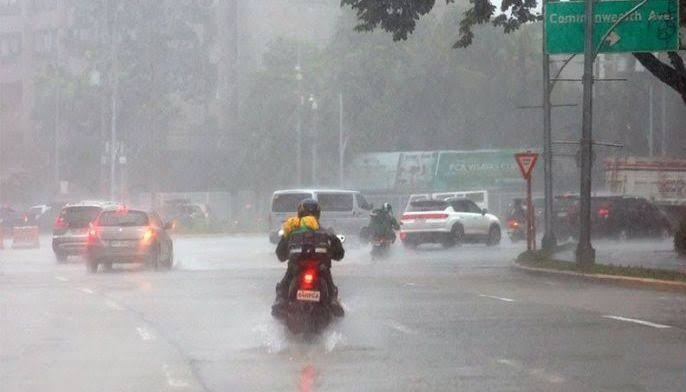
Thailand's prime minister on October 2, 2026 convened the National Disaster Prevention and Mitigation Headquarters and directed all agencies to adopt a single integrated data approach for flood response, as forecasters warned of heavy rainfall across multiple regions on October 4 and 5.
Prime Minister Anutin Charnvirakul emphasised that a common operational picture will reduce conflicting information, speed decisions and make sure relief reaches communities most at risk. He instructed provincial governors to confirm personnel, equipment and contingency plans including temporary shelters, emergency food stocks and essential supplies, and to be ready to deploy boats, high clearance vehicles and other specialised assets where roads are cut.
Armed forces placed on standby to support evacuations and recovery
The Ministry of Defense confirmed coordinated preparations with the Royal Thai Armed Forces, saying military transport, boats and aircraft were ready to be deployed in support of civil authorities. Defence officials held operational briefings on the availability of personnel and equipment and reviewed arrangements for staging resources to areas facing the greatest need.
Military planning focuses on rapid evacuation of isolated communities, water management assistance for flooded districts and medical support. Defence sources said units will operate under a shared assessment of conditions to avoid duplication and to prioritise lifesaving tasks. Officials also said military resources would be kept available into the recovery phase, when clearing and repair work on infrastructure is needed.
Why the government is acting now
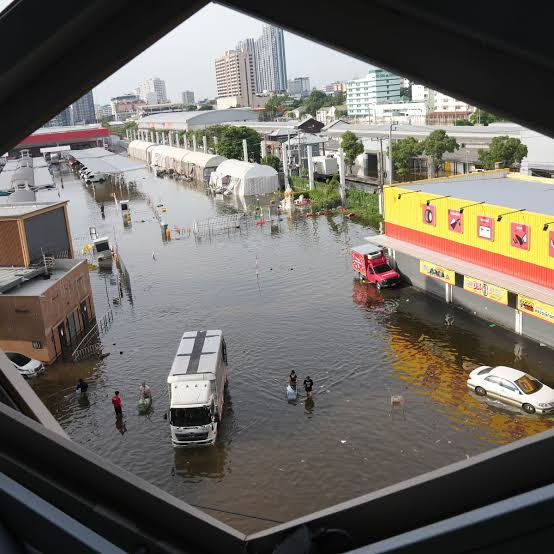
The Thai Meteorological Department forecast a renewed pulse of heavy rain that is expected to affect many provinces starting October 4. The decision to centralise data and preposition assets follows several days of high water in central and eastern watersheds that left towns and transport routes disrupted, and that strained relief capacity in some provinces.
Authorities said recent operations have begun to reduce immediate impacts in many areas, but warned that additional rain will raise the risk of new flash floods and rising river levels. The prime minister framed the single data instruction as a way to reduce confusion among agencies and the public, and to ensure coherent action as weather conditions change quickly.
Practical steps being taken across provinces
Provincial governments have been ordered to finalise lists of at risk communities, check the readiness of evacuation routes and shelters, and confirm stocks of food and medical supplies. Local officials were told to coordinate transport assets with military units and to prepare to receive displaced families.
Health authorities were asked to monitor vulnerable groups including elderly populations and those with chronic illness, and to ensure continuity of essential health services in flood affected districts. Water and sanitation teams are to be on alert to reduce the risk of waterborne disease in areas where floodwaters persist.
What to expect and how this matters
The integrated data approach is intended to shorten the time between local needs emerging and national level response. For residents in flood prone districts, the next 48 hours are crucial to implement household preparedness measures and to follow local evacuation orders if issued. For Bangkok and other major urban areas, the immediate priority is protecting critical infrastructure and keeping main transport links functioning.
Economically, short term disruptions to travel and commerce are possible in affected provinces, while prolonged flooding in agricultural areas could affect harvest operations. More broadly, the government action underscores how climate related extreme weather is reshaping Thailand's disaster preparedness, pushing authorities to improve data sharing and joint planning between civilian and military responders.
Outlook
Officials will continue to monitor forecasts and water levels closely. If the heavy rain materialises as forecast on October 4 and 5, rapid local assessment teams, supported by military transport and rescue assets, will be moved to priority areas to reduce harm and speed recovery. The government urged the public to stay alert to official warnings and to follow instructions from provincial authorities.