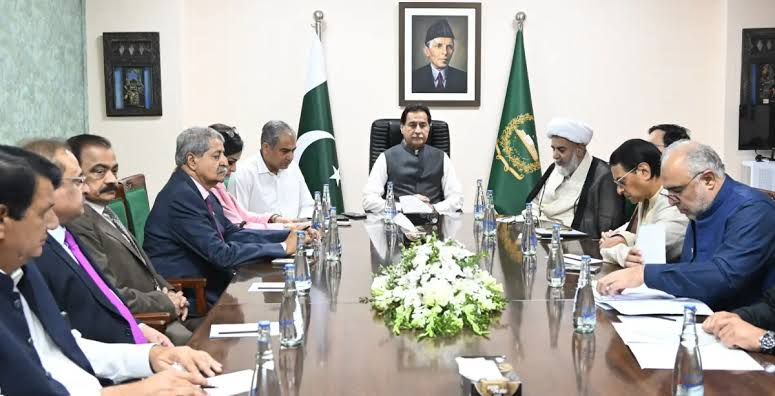
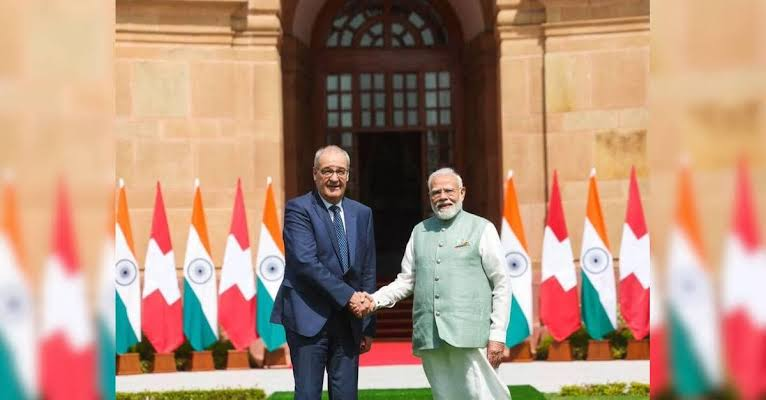
Swiss President Guy Parmelin arrived in New Delhi on October 5 for a three day state visit aimed squarely at strengthening economic and technological ties between Switzerland and India. The trip, announced in Bern and confirmed by Indian media today, brings the Swiss head of state together with senior Indian officials to press for a bilateral investment protection agreement and to expand cooperation on trade, mobility and advanced technologies.
What the visit will cover
During meetings scheduled across October 5 to October 7, Swiss and Indian delegations will discuss a proposed investment protection pact designed to give firms from both countries stronger legal certainty when investing abroad. Swiss officials see such an agreement as a way to encourage Swiss companies to increase direct investment in India while also protecting Swiss financial and technological interests.
Beyond investment protections, the agenda includes talks on mobility and labour arrangements that could ease the movement of skilled workers, cooperation on critical technologies and innovation, and opportunities to expand bilateral trade ties. Officials will also review implementation of the wider trade opening that came into force last year between India and members of the European Free Trade Association, of which Switzerland is a member.
Why Switzerland is prioritising India
Switzerland has long regarded India as a strategic economic partner, given India’s large and fast growing market, its strengthening industrial ecosystem and its expanding technology sectors. For Swiss businesses, India represents both a major customer base and a site for investment in manufacturing, precision engineering, pharmaceuticals and specialised services.
Swiss policymakers are pressing their case at a moment when global supply chain questions, geopolitical competition for advanced technologies and growing regional investment flows are prompting more countries to lock in predictable legal frameworks for investors. A bilateral investment protection agreement can provide that predictability by setting common rules on non discrimination, dispute resolution and compensation for expropriation.
Domestic politics and the international backdrop
The visit comes against a backdrop of domestic policy debates in Switzerland. This week Swiss federal authorities signalled that they back an increase in value added tax to help finance a one off 13th pension payment to retirees, a proposal that has stirred debate among parties and voters. While that is a separate domestic fiscal matter, Bern’s government will be mindful that any international commitments reflect Switzerland’s internal budgetary and policy priorities.
On the international front, Swiss leaders are handling a more active diplomatic calendar as the country balances close ties with European partners, its longstanding commitment to neutrality and deeper engagement with rapidly expanding markets in Asia. Formalising investment protections with India fits this strategy of diversifying partnerships while protecting core Swiss economic interests.
Business reaction and likely outcomes
Swiss business groups have welcomed high level contact with New Delhi, arguing that clearer legal frameworks, mobility arrangements and technology partnerships would reduce uncertainty for companies considering larger investments. For India, strengthening ties with Switzerland helps attract high quality industrial and financial links, including in precision manufacturing, research collaborations and the life sciences sector.
Observers say the most immediate deliverables from the visit are likely to be political commitments to accelerate negotiations on the investment protection text and to set up working groups to study technical cooperation in target sectors. Formal treaty ratification, if it follows, would take longer and require parliamentary scrutiny in Switzerland.
What to watch next
Over the next 48 hours, look for joint statements from the two governments outlining specific sectoral commitments, the names of any follow up working groups, and timelines for completing legal texts. Swiss business federations will also be watching for announcements about mobility arrangements for skilled workers and any new mechanisms to fast track technology partnerships.
For Switzerland, the state visit is both a diplomatic and economic test. If talks produce a clear path toward an investment protection agreement and concrete programmes for technology collaboration, the trip could mark a material step in deepening ties with one of the world’s largest markets. If progress is limited to general statements, follow up negotiations will be crucial to determine whether political goodwill transforms into binding arrangements.
Guy Parmelin is due to remain in New Delhi through October 7 and will meet senior Indian officials and private sector representatives as part of the state visit programme.