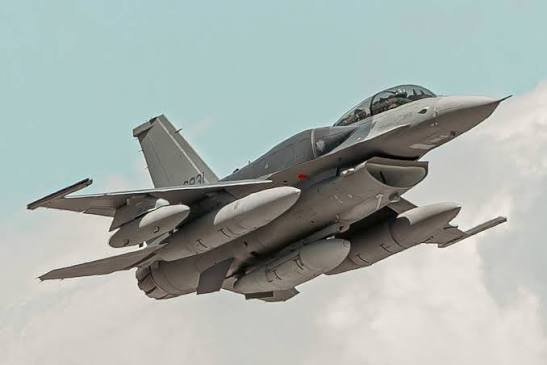
Taitung, Taiwan , Taiwan’s air force on Friday received the first two F-16V Block 70 combat aircraft from the United States, the opening shipment in a long delayed purchase of 66 jets that Taipei has cast as central to its defence strategy against growing pressure from Beijing.
Arrival at Chihhang Air Base
The two jets landed at Chihhang Air Base in Taitung County around midday, drawing local attention and marking the first time Taiwan has taken delivery of brand new F-16s in nearly three decades. Military personnel moved quickly to secure the aircraft and begin acceptance checks and ground inspections that will precede broader operational handover and pilot familiarization.
Why the delivery matters
The F-16V Block 70 is the most advanced production variant of the F-16 family, with a new radar, modern avionics, and upgraded cockpit systems. For Taiwan, which faces increasingly frequent air and naval sorties by China, the jets offer a substantial upgrade in sensor capability, situational awareness and networked operations. The purchase fits into Taipei’s dual approach of modernizing existing fighters and procuring new aircraft to preserve a credible deterrent and raise the cost of any potential coercive move across the Taiwan Strait.
Delay and context
The deal was approved years ago, and deliveries were originally expected to begin earlier. Officials and industry sources have cited logistical and technical complications, and intermittent supply chain problems were widely reported as factors that pushed back the timeline. Taipei had planned to receive the aircraft in batches through the end of the year, and the arrival of the first two indicates the program is now moving into the phase of in island acceptance and integration.
Domestic and regional reactions
Taiwanese officials framed the arrival as a reinforcement of the island’s self defence capability and a routine implementation of previously agreed arms sales. In public statements, defence and government spokespeople emphasized that the deliveries were part of a longstanding procurement plan and not intended to escalate tensions.
Regional watchers and allied capitals will watch closely how Taipei integrates the new jets into training schedules and air defence architecture. For countries in the Indo Pacific, the deliveries matter not only because of the hardware itself, but because they reflect continuity of high level security ties between Taiwan and its partners that supply and support advanced equipment.
China response and strategic implications
Beijing commonly condemns US arms sales to Taiwan as interference in China internal affairs and a violation of its one country principle. While immediate official comment from Beijing on this specific shipment was not reported at the time of the jets arrival, similar past transfers drew sharp rebukes and warnings that Taipei moves toward advanced capabilities would have consequences for cross strait relations.
Strategists say the arrival of the F-16Vs shifts Taiwan s defensive posture incrementally. The jets improve Taiwan s ability to monitor and respond to threats at range, and they strengthen deterrence through enhanced interoperability with partner systems. However, analysts caution that capability gains alone do not remove the asymmetry in military scale with the mainland, and that broader resilience measures, including dispersal, logistics, and civil defence, remain central to Taiwan s defence calculus.
What comes next
The two fighters are expected to undergo final acceptance tests, systems checks, and pilot and ground crew training. Taipei plans to receive additional aircraft in succeeding shipments until the full allocation of 66 jets has been delivered. Integration work will include linking the fighters into Taiwan s air command and control network and updating maintenance and parts supply arrangements to support sustained operations.
Beyond the immediate operational tasks, the arrival will likely be cited in Taiwan s internal political debates about defence budgets and procurement priorities ahead of local and national election cycles. Supporters of accelerated modernization argue that modern fighters are essential to deter coercion, while critics sometimes highlight cost, maintenance burdens, and the need to invest in asymmetric systems that can complicate an adversary s plans.
Why this is news today
The touchdown of the first pair of F-16V Block 70s is a tangible milestone in a multiyear program to rebuild and modernize Taiwan s air force. It is a naturally newsworthy development because it alters Taiwan s immediate defence inventory, captures domestic and international political attention, and will shape operational training and regional security calculations in the months ahead.
As Taipei moves to introduce these fighters into service, observers will track subsequent deliveries, related training exercises, and any official responses from Beijing and partner capitals. Those developments will determine whether the arrival changes the operational balance in the air and how it affects diplomatic messaging across the region.