Washington talks with Moscow aimed at ending the four year war in Ukraine have expanded to include discussion of a multibillion dollar oil transaction for assets tied to Russia’s Lukoil, according to reporting by The New York Times published on October 3, 2026 and summarized by Reuters the same day. The involvement of business figures with close ties to senior U.S. envoys has prompted questions in Washington about the overlap between private commercial interests and high level diplomacy.
What the reporting says
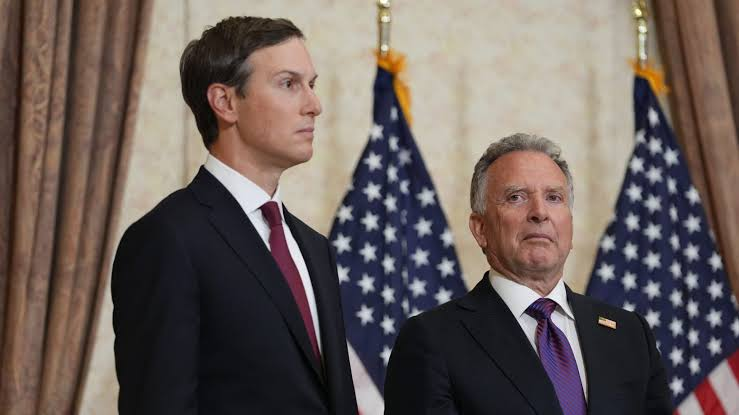
According to the accounts published on October 3, a prospective deal would cover Lukoil’s portfolio of overseas oilfields, refineries and service stations. The group described as pursuing the transaction includes private investors and Middle Eastern partners who have done business with two Americans prominent in the administration’s diplomatic effort to halt the fighting, and in some versions of the reporting an arm of the U.S. government is involved as well.
The New York Times, which reported the underlying reporting, said Russian President Vladimir Putin raised the possible transaction during a September 5 meeting at the Kremlin with two U.S. envoys. Reuters summarized that report on Saturday, noting the proposed transaction would require approvals from both the U.S. government and the Kremlin and that the parties named in the reporting had not publicly responded outside business hours.
Why this matters
There are three layers to the development that make it consequential for U.S. foreign policy. First, a deal that links a peace process to major commercial transfers of Russian energy assets would shift the terms of diplomacy by making economic rearrangements part of the bargaining space. Negotiations that tie political concessions to large commercial benefits for particular companies or investors risk complicating efforts to reach a neutral, broadly supported settlement.
Second, the involvement of people with close ties to key U.S. negotiators introduces potential conflicts of interest and reputational risk for the administration’s mediators. Where private commerce intersects with statecraft, opponents and foreign governments may question whether policy choices reflect public interest or private gain. That perception can weaken U.S. leverage at the negotiating table and among allies who have emphasized sanctions and market pressure as tools to influence Moscow’s conduct.
Third, any proposal that would restore or expand Western business with sanctioned Russian energy firms would raise legal and political hurdles. Lukoil and other Russian energy companies have been subject to U.S. and allied restrictions tied to the Ukraine war, and approvals for cross border deals would likely require complex legal clearances, congressional scrutiny, and coordination with European partners who remain central to enforcing sanctions and managing the political costs of economic engagement with Russia.
Responses, and what is not yet clear
As of the Reuters summary of October 3, official spokespeople at the White House, the U.S. Treasury Department and the Russian company named in the reporting had not commented outside regular business hours, and The New York Times said several people familiar with the negotiations spoke on background. The reporting does not allege that U.S. envoys personally stood to profit, but it documents business relationships and interactions that critics say merit transparent review.
Key facts remain to be established publicly: the precise structure of any proposed transaction, whether U.S. institutions would participate as direct financial backers or guarantors, what sanctions waivers if any would be required, and whether congressional committees will seek briefings. Allies in Europe and the Middle East may also demand details, given the potential impact on sanctions enforcement and energy markets.
Broader context
The prospect of linking economic arrangements to diplomatic breakthroughs is not new. In previous negotiations over major conflicts, incentives that include reconstruction contracts, investment guarantees and market access have appeared as bargaining chips. What sets this episode apart is the scale of the energy assets at stake, the geopolitical sensitivity of reengaging with a sanctioned Russian firm, and the close personal and business networks that reporting says connect negotiators to private sector actors potentially involved in the deal.
For U.S. domestic politics, the reporting arrives amid heightened scrutiny of the administration’s foreign policy conduct and personnel. Critics will likely press for immediate disclosures to determine whether formal ethics rules, procurement safeguards, and national security protections were observed in structuring any commercial component tied to negotiations.
What to watch next
Expect several immediate developments to follow: first, requests from congressional oversight committees for classified and unclassified briefings; second, statements or denials from the White House, the Treasury Department and the companies and investors named in the reporting; and third, responses from European and other allied capitals about the implications for coordinated sanctions and future cooperation on Ukraine policy.
Until those public disclosures arrive, the core reporting signals a new, commercially oriented dimension to the U.S. backchannel with Moscow that could reshape both the diplomacy over Ukraine and debates in Washington about the separation of public office and private interest.