Monsoon deficit persists as season nears end
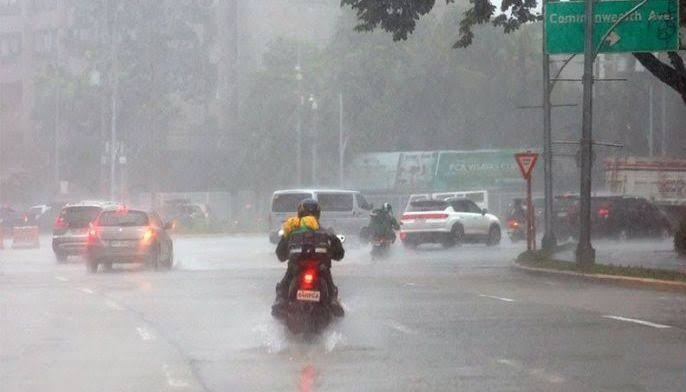
India’s southwest monsoon is ending with a measurable shortfall that meteorologists and markets say could have real consequences for crop yields and water availability. Cumulative rainfall for the June–September season stood about 15% below the long‑period average as of September 20, leaving little time for the last weeks of the monsoon to make up the gap. ([indiatoday.in]
The India Meteorological Department and international forecasters have pointed to a strengthening El Niño this year as a key driver of the weak spell and warned that September rains were likely to be below normal — a prospect that increases moisture stress for late‑maturing kharif crops such as cotton, soybean, maize and pulses, and reduces soil moisture ahead of rabi sowing. ([uk.marketscreener.com]
Farmers press procurement and MSP demands, block highways
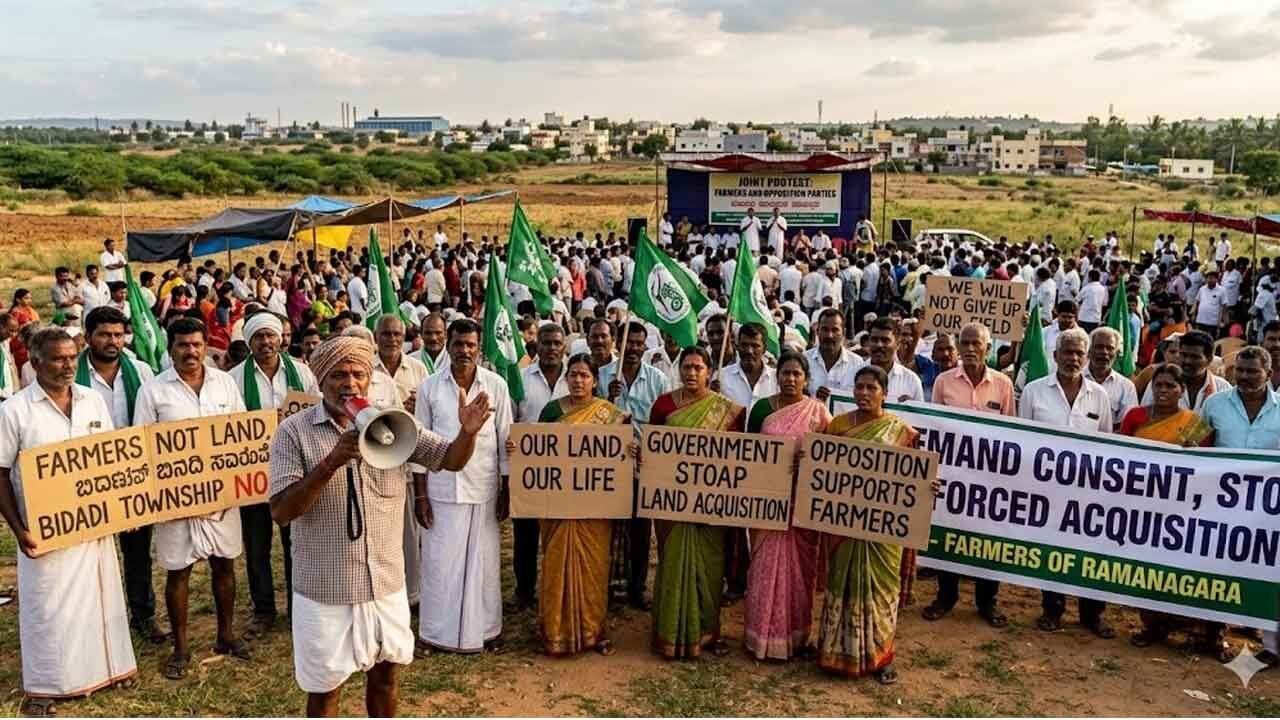
In the background of the monsoon shortfall, farmer unions in Punjab and neighbouring Haryana have intensified agitation over delayed paddy procurement and the absence of formal price‑support purchases by state and central agencies. On September 23, Bhartiya Kisan Union (Charuni) activists breached barricades to block the Delhi‑Chandigarh highway at Shahbad (Kurukshetra); Haryana police used water cannon and tear gas to disperse protesters and detained several union leaders as tensions escalated. Protest leaders said their deadline for government procurement to begin by September 20 had expired with no purchases under way. ([hindustantimes.com]
Separate sit‑ins and week‑long morchas were staged on the Mohali‑Chandigarh border and at district collectorates across Punjab in early September, with unions calling for MSP guarantees, debt relief, and withdrawal of recent farm and input‑policy bills they say threaten smallholders’ livelihoods. Organisers described community langars and temporary shelters at blockades — a sign that the protests may persist until authorities provide concrete procurement or policy assurances. ([indianexpress.com]
How the monsoon shortfall and procurement delay compound risks
Economists and agronomists warn the two developments act as a compound shock. Below‑average September rainfall can reduce grain filling and pod development for several kharif crops, affecting yields; at the same time delayed government procurement increases price uncertainty for harvested paddy and the cash flow pressure on cultivators. Where irrigation is limited, a rainfall deficit also weakens soil moisture needed for winter sowing, potentially amplifying a single‑season shock into broader rural distress. ([uk.marketscreener.com]
For mandis and procurement agencies, timing matters: procurement is often concentrated after October 1, but early purchases or clear timelines can stabilise farmgate prices at harvest and reduce the incentive for disruptive protests. Farmer leaders say past seasons have seen procurement started earlier after agitation; this year unions argue the combination of a weak monsoon and procurement inaction justifies their escalation. Reporting from protest sites shows organisers mobilising tractors and community kitchens in preparation for prolonged demonstrations.
Government response and the immediate outlook
State agriculture officials in Haryana and Punjab have held ad hoc talks with union leaders; in some districts deputy commissioners met protesters at sites to urge restraint, while ministers have said formal procurement will begin after field verifications and varietal checks at mandis. Officials also point to regional variation in rainfall — pockets in the east and northeast have experienced more normal rains — underscoring that national averages mask wide local differences.
Policy levers available to authorities include accelerated procurement schedules, targeted cash transfers, and district‑level agrometeorological advisories to guide irrigation and post‑harvest handling. Reservoir storage and groundwater levels will be monitored closely in the coming weeks to assess how much buffer remains for winter planting. Analysts say the critical indicators to watch are weekly rainfall distribution, reservoir inflows, and mandi arrival volumes — any further shortfalls or procurement slippage would deepen uncertainty for rural markets.
What this means for consumers, markets and farmers
A weaker harvest in key kharif crops can feed into food inflation — edible oils, pulses and some staples are vulnerable — although imports, buffer stocks and policy measures can blunt immediate retail price shocks. Still, rural incomes and wage employment tied to agricultural activity are at risk if harvests disappoint, increasing the socioeconomic stakes of the protests beyond their immediate political demands.
With the monsoon season effectively drawing to a close and farmer unions signalling an appetite for sustained action until procurement begins, authorities face a narrow window to stabilise markets, reassure growers and avert wider disruption to supply chains and rural livelihoods. For farmers on the ground, the coming fortnight will determine whether the season’s shortfall becomes a localized challenge or a broader socioeconomic shock.