Finland’s national and local security authorities have launched a coordinated inquiry after several members of the Finnish Parliament reported suspected intrusions at their homes, officials said. The Helsinki Police Department, with support from the National Bureau of Investigation, has opened a preliminary investigation to establish the scope and motive behind a series of incidents that parliamentary leaders described as worrying and potentially targeted.
What has happened
Parliamentary officials and police say the incidents began to surface publicly in late September and were formally reported to the Helsinki Police Department in early October. A number of MPs from across political parties have noticed small, unexplained signs in their homes that they judged to be evidence of unauthorised entry. Police reports indicate there have been no clear signs of forced entry and no obvious theft or damage, but the repeated pattern and the number of affected MPs prompted Parliament to notify law enforcement.
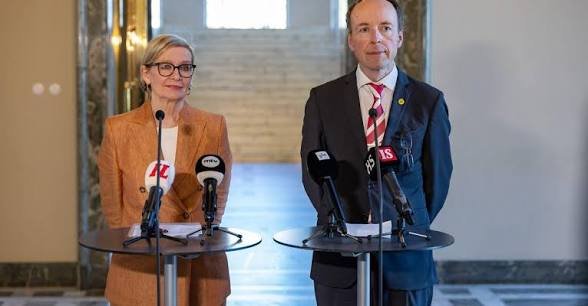
Parliamentary Speaker Jussi Halla-aho described the number of suspected cases as significant. First Deputy Speaker Paula Risikko alerted Parliament’s security office after the initial incident was reported, and a letter advising MPs how to monitor and report possible signs of intrusion was circulated to all parliamentary groups. Parliament has also prepared internal guidance for members on how to respond while the investigation is under way.
Official response and investigation
The Helsinki Police Department confirmed it received information from Parliament and has launched a preliminary inquiry, working closely with the National Bureau of Investigation. The police have not disclosed operational details, saying that specifying the distinctive signs observed would not be sensible while the investigation is active.
Prime Minister Petteri Orpo was briefed by security authorities about the matter, and government officials said they were taking the incidents seriously because they strike at the heart of democratic institutions. President Alexander Stubb also commented publicly, saying that an attack on a member of parliament is an attack on democracy and that such actions should not be tolerated.
Possible motives and national security concerns
While police have not attributed responsibility for the incidents to any actor, some Finnish officials have warned that the pattern, including the selection of targets across different parties, raises questions that extend beyond ordinary criminality. Prime Minister Orpo said it was important to establish facts, and he underlined the need for a thorough investigation.
Security analysts note that foreign intelligence services in some contexts have used subtle intrusions and covert surveillance to gather information or exert pressure, and that democracies must be alert to such tactics. Finnish authorities have so far declined to make public any assessment that the incidents are linked to a foreign power, saying facts must guide conclusions.
Parliamentary measures and practical advice for MPs
Parliament has mobilised its internal security apparatus and issued practical guidance to members, asking them to be observant about their homes and to report suspicious signs to both Parliament’s security unit and the police. The guidance is intended to help determine whether the incidents share common features and to protect MPs while investigators carry out forensic and other inquiries.
Parliamentary leaders have also held meetings with group chairs to coordinate the internal response and to consider any further protective steps for members and parliamentary facilities.
Why this matters
The episodes have stirred concern in Finland because they involve elected representatives and therefore touch on the security of democratic processes. Even when no property is taken, unauthorised entry into a lawmaker’s home is a form of intimidation and may produce chilling effects on public life if left unchecked.
Finland has, in recent years, placed heightened emphasis on comprehensive security. The country joined NATO and faces an elevated security environment in Northern Europe. Authorities say that maintaining clear, evidence based investigations is essential to preserve public trust and to ensure that any pattern pointing to targeted interference is identified and countered.
What to expect next
Police investigators will continue to gather evidence, interview affected MPs and analyse any forensic traces from the premises. The Helsinki Police Department and the National Bureau of Investigation have so far limited public comment to protect the integrity of the inquiry. Parliament has signalled it will cooperate fully with law enforcement and review protective measures for members if the investigation so requires.
Officials urged caution against speculation while investigators work. The coming days and weeks should make clearer whether the incidents represent a coordinated campaign, isolated criminal acts with an unusual pattern, or another motive. For now, authorities are prioritising fact finding and the security of those affected.