Satellite analysis links Indonesia fires to a global rise in ground level ozone
A European Union atmosphere monitoring analysis published on September 30 says extreme heat and widespread wildfires this year combined with human emissions to expose roughly one third of the global population to unusually high levels of ground level ozone. The report highlights Southeast Asia, where fires burning across Indonesia have been an important source of smoke and ozone precursors during 2026, as one of the most affected regions.
How fires and weather created an ozone problem
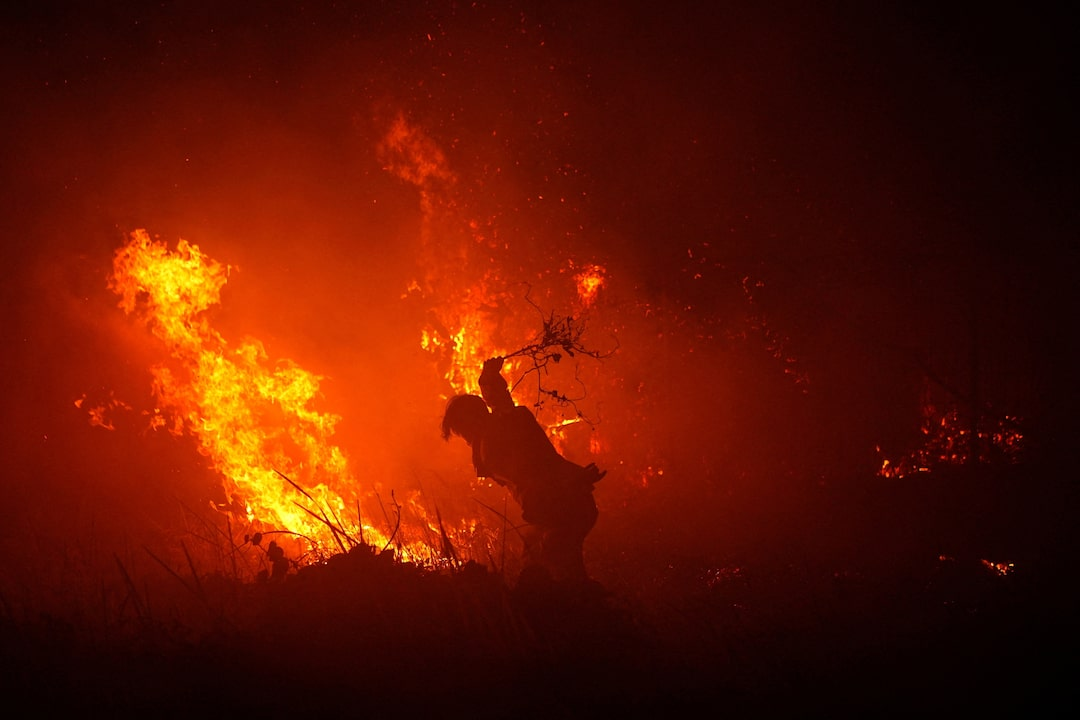
Ground level ozone forms when sunlight and heat trigger chemical reactions between nitrogen oxides and volatile organic compounds, compounds released by vehicles, industry and biomass burning. The Copernicus analysis covers January 1 to mid September and finds that record heatwaves and intense wildfire smoke created conditions that dramatically raised surface ozone over broad areas. Indonesia’s peatland and forest fires on Kalimantan and Sumatra produced large emissions of the gases and particles that feed ozone formation, worsening air quality regionally and contributing to elevated ozone concentrations detected by satellites and atmospheric models.
Local air quality and health effects
The air quality impact on population centres has already been noticeable. Modelled near real time indices show unhealthy fine particle pollution across parts of Java and the greater Jakarta region on September 30, a pattern consistent with smoke and secondary ozone formation moving from fire zones into urban areas. Ground level ozone irritates lungs, can trigger asthma attacks and increases respiratory and cardiovascular stress, risks that authorities and health services must factor into public warnings and hospital preparedness during the fire season.
Indonesia’s fire season and emissions data
Independent emissions monitoring portals tied to Copernicus data recorded weeks in early September when emissions from Indonesian fires were among the highest globally. Regional and international analysts have warned that the 2026 season, driven by a strong El Nino, has created unusually dry conditions in parts of Indonesia and elevated fire risk on carbon rich peatlands that burn persistently and emit large amounts of greenhouse gases and ozone precursors.
What authorities and analysts say
Indonesian agencies and provincial disaster and forestry authorities have typically responded to major fire outbreaks with local firefighting operations, road and airspace advisories, and evacuations where villages are threatened. International monitoring highlights how transboundary smoke and pollutant transport can widen the public health footprint beyond immediate fire zones. Scientists point out that cutting emissions from land fires will be essential to curb episodic spikes in ozone and particle pollution while longer term work on land management and peat rehabilitation will be needed to reduce the frequency and scale of such events.
Why this matters beyond Indonesia
The Copernicus analysis frames the 2026 ozone rise as a global climate linked problem. Higher ozone episodes reduce air quality across entire regions and can undermine gains made against other pollutants. For Indonesia, the findings underline how national land use, peat conservation, and fire prevention policies have both local health and international climate consequences. For neighbouring countries and distant regions, the report is a reminder that atmospheric chemistry and long range transport allow pollution created in one country to produce health burdens far from its origin.
Outlook for the coming months
Meteorologists and atmospheric scientists expect El Nino driven dryness to persist into the late 2026 season, keeping fire risk elevated where fuel and ignition sources overlap. That suggests further episodic air quality deterioration is possible unless fire outbreaks are rapidly suppressed and peatlands are protected from burning. Public health agencies in Indonesia and across Southeast Asia are likely to monitor ozone and particulate indices closely and issue advisories to reduce outdoor exposure on days when modelled ozone or PM2.5 levels are high.
The Copernicus monitoring effort and independent emissions tracking together provide near real time indicators that can help authorities, researchers and the public identify episodes of elevated risk and respond more quickly. For Indonesia, the analysis released on September 30 joins other recent data showing the fire season this year is unusually active, carrying implications for human health, biodiversity and the climate.