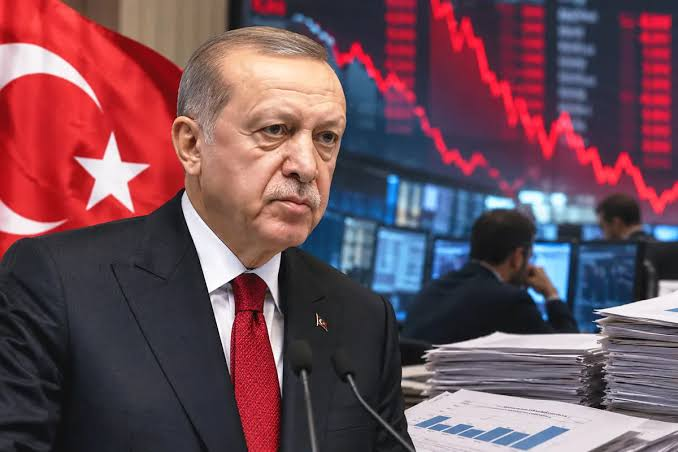
Turkish authorities moved decisively on October 2 to contain a widening capital markets scandal that regulators say has left roughly 455,758 retail investors exposed and placed 131 investment funds into liquidation. The crisis, which began in mid September when several funds failed to meet redemption requests, has prompted arrests, asset freezes and emergency policy steps intended to limit further contagion across the financial system.
What authorities have done so far
The Capital Markets Board, known by its Turkish acronym SPK, ordered liquidation of funds established by seven portfolio management companies that trade on the national electronic fund platform. The firms named in regulator announcements include Tera, Pusula, Hedef, Atlas, A1 Capital, Pardus and Bulls. The SPK also closed those funds to purchases and redemptions on TEFAS, the Turkish Electronic Fund Trading Platform.
Prosecutors in Istanbul have opened criminal investigations into suspected fraud, market manipulation and the formation of a criminal organization. Justice Ministry and prosecutor statements, together with regulator disclosures, say a number of executives and other individuals have been detained or arrested in connection with the probe. Authorities have also frozen assets belonging to dozens of individuals and legal entities while custodial reconciliations proceed.
Scale and immediate relief for investors
Regulator and government briefings on October 2 put the number of affected investors at about 455,758 and the assets held in the funds at approximately 826 billion Turkish liras. The Fund Coordination Board, chaired by the vice president, convened its second meeting on October 2 to review payment timetables and legal steps.
As a temporary measure intended to ease immediate hardship for retail clients, the SPK approved interim advance payments of up to 1 million Turkish liras per eligible investor for funds undergoing liquidation. Payment eligibility depends on completion of account reconciliations by the Central Securities Depository. Investors with net investment amounts below the 1 million lira cap will receive the full figure, while those above will be capped at that level. Officials said these advances are advances only, to be offset against final liquidation proceeds.
How the crisis unfolded
The shock began in mid September when several funds managed by the named portfolio companies were unable to meet redemption demands. Regulators say evidence suggests the reported valuations of some funds had been artificially inflated, while underlying portfolios included illiquid or low quality equities that did not reflect disclosed values. Two Tera funds alone were reported to have held very large nominal assets, drawing close attention after redemptions could not be processed.
In response, the SPK moved to quarantine the troubled managers and their funds to prevent wider market disruption. The Istanbul Stock Exchange excluded 27 stocks from the BIST 100 benchmark as of October 1, a step aimed at limiting further volatility tied to the companies implicated in the probe. The SPK also set an extended liquidation timetable and instructed that money market funds be prioritised in the liquidation process.
Political and regulatory fallout
The scandal has already had political consequences. A senior ruling party lawmaker asked to be relieved of party posts amid scrutiny over personal stock transactions linked by opponents to the fund crisis. Opposition parties say they will seek parliamentary inquiries to establish responsibility and to determine whether political actors were involved.
Government officials have signalled swift action and emphasised they do not consider the episode to be a systemic failure of the financial system. Finance officials appearing at regional conferences and in public statements said the immediate objective was to contain contagion, protect small investors where possible, and accelerate legal and regulatory fixes designed to close oversight gaps revealed by the episode.
What investors should expect next
Investors will face a multi stage process. First, custodial reconciliations will be completed to determine each unit holder's net investment amount. Then, interim payments will be issued to eligible investors whose accounts are reconciled. The broader liquidation of fund portfolios will proceed with money market funds sold first, followed by other funds according to investor numbers and liquidity considerations.
Regulators have warned that liquidation does not guarantee full recovery of investor capital. Financial advisers consulted by analysts say that where funds held largely illiquid holdings, recoveries could be partial. At the same time, prosecutors have signalled that criminal and civil avenues will be pursued in order to identify those responsible and to reclaim assets where wrongdoing is proven.
Why this matters beyond Turkey
The episode underlines how vulnerabilities in oversight and valuation practices can propagate quickly when confidence falters. Turkey has a large retail investor base that has increasingly turned to funds and capital markets to protect savings against high inflation. A loss of confidence in fund governance could undermine broader efforts to deepen domestic capital markets and reduce reliance on foreign inflows.
For now, the central objectives of authorities are to stabilise markets, provide measurable relief to ordinary investors, and to enforce accountability through the ongoing criminal and regulatory investigations. The coming weeks will be decisive in determining whether interim measures restore calm and whether the legal process yields recoveries for victims and deterrence for potential perpetrators.
Reporters will watch liquidation notices, criminal filings and parliamentary actions closely, since those outputs will shape both investor outcomes and the political narrative around accountability for the market failures that emerged in September and intensified through October 2.