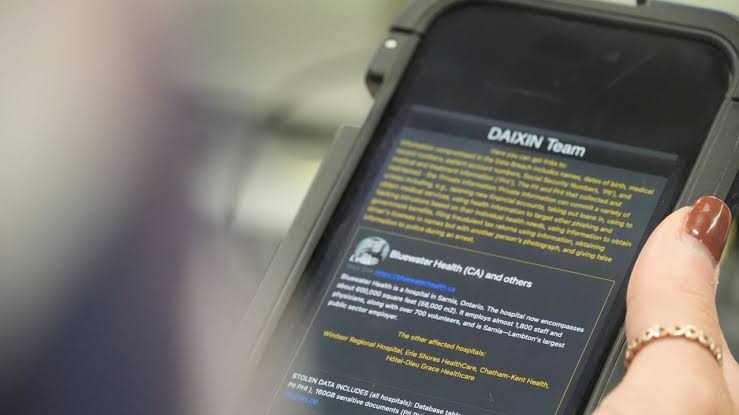
Security trackers and specialist reporters say the Booba Project extortion crew added a Canadian health provider to its public leak site on October 4, 2026, as the group continued a burst of listings that also named US medical organisations. The appearance of a Canadian clinic on the crew’s public page follows a rapid sequence of small and medium sized health sector targets posted by the same operator in the last 48 hours.
Who was named and what is known
Researchers following the extortion site say the entry identified a clinic based in Canada, described in leak-site posts as “Soni Medical Centre.” At the time of publication there were no public statements from the clinic confirming a breach, and security monitors caution that some leak-site listings are not verified by independent forensic analysis before they are published.
Despite that caveat, analysts note the timing and volume of postings by the Booba Project crew are consistent with extortion operators who try to force quick payments by creating public pressure and uncertainty. The crew’s recent listings claimed multiple gigabytes of data from several healthcare entities across the United States and Canada, according to leak-tracking services and specialist cybersecurity reporters.
How these groups operate and why small providers are vulnerable
Extortion crews such as the Booba Project typically seek two leverage points: first, they demand payment to prevent public release of allegedly stolen files; second, they threaten additional disruption, for example by publishing data samples or disclosing sensitive patient records. Even when data are not released, the threat alone can spur heavy costs for victims, including incident response, legal fees, notification obligations and loss of patient trust.
Security analysts say smaller clinics and specialty practices are attractive targets because they often hold patient data but run less mature cyber defences than larger hospitals. Common gaps include single factor logins, delayed software patching, infrequent backups and poor segmentation between administrative and clinical systems. Attackers exploit those weaknesses with phishing, credential theft or known vulnerabilities in exposed services.
What specialists are advising patients and providers
Cybersecurity experts urge any organisation named on a leak site to treat the claim as potentially real until proven otherwise, while immediately following established incident response playbooks. Key recommended steps include isolating affected systems, engaging forensic responders, preserving logs and system images, and notifying regulators and affected individuals when required by law.
For patients and members of the public, the immediate advice is practical: watch for unexplained communications, check banking and medical records for irregularities, and report suspected identity misuse. If contacted by someone claiming to represent the clinic or by unknown callers asking for personal details, verify the request using a trusted phone number or website rather than clicking unsolicited links.
Authorities and trackers warn verification is important
Observers emphasise that not every leak-site post means the attacker holds usable data. Some extortion posts consist of bluff claims or incomplete thefts. That said, security incident trackers and specialised news outlets that catalogue leak-site activity treat sudden bursts of postings as a credible threat vector that merits immediate attention from affected organisations and regulators.
In Canada, federal cyber guidance including advisories from the Canadian Centre for Cyber Security and reporting channels such as the Canadian Anti Fraud Centre provide steps for organisations and citizens. When patient records or personally identifiable information are at stake, provincial privacy regulators can also become involved. Organisations considering payments to extortionists are warned that paying may not restore systems or prevent later exposure, and that such decisions carry legal and ethical complications.
Why this development matters
The posting of a Canadian clinic on an extortion crew’s leak site highlights two broader trends. First, extortion and data leak operations continue to diversify targets beyond large hospitals, increasingly focusing on smaller health providers with weaker security. Second, the public-facing leak-site model spreads psychological pressure widely, forcing faster and often costly responses from victims.
For Canadian health providers and policymakers, the incident underscores the urgent need for basic cyber hygiene measures across the sector, including multifactor authentication, timely patching, offline backups that are regularly tested, and incident response planning that includes legal and communications strategies. For patients, it is a reminder to be vigilant about personal data and to use credit monitoring or identity protection services if they suspect exposure.
At the time of publication there was no independent confirmation from the named clinic about the extent or authenticity of the claim. Security reporters and leak trackers continue to monitor the Booba Project page for added posts or data samples that could confirm the listing. If forensic verification emerges, regulators and law enforcement may open formal inquiries based on the nature and scope of the data involved.