South Africa’s Department of Home Affairs has unveiled the country’s first working Digital ID credential, showing a live MyMzansi smartphone app prototype and announcing concrete dates to end production and legal validity for the long‑standing paper green ID book. The demonstration took place at Constitution Hill on 1 October 2026, when Home Affairs Minister Leon Schreiber presented the prototype that was issued from the national population register and bound to a handset.
What was demonstrated
Minister Schreiber presented a real Digital ID credential during a live demonstration, confirming the credential was issued through the population register and linked to biometric authentication on the device. The MyMzansi Digital ID app shown in the demo stores Home Affairs credentials in a secured Wallet, and users can generate a unique QR code to share selected fields with an authorised verifier app. Users receive a notification when a verifier attempts to access their data, and they can accept or deny each request. The system uses device binding and a combination of a facial biometric template scan and a cryptographic signature to protect credentials from fraud.
Firm timelines for the green ID book
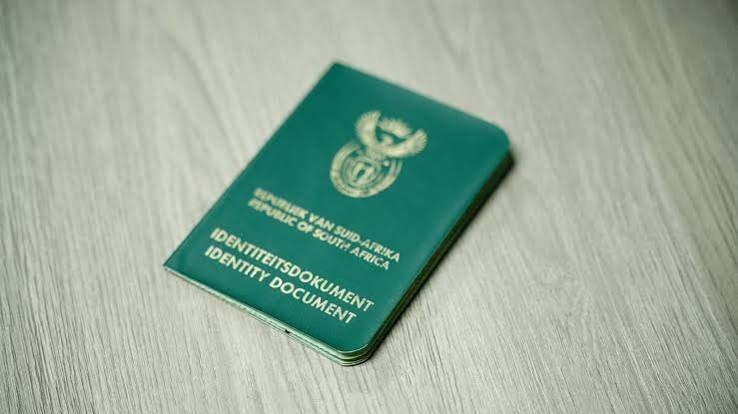
The department used the event to publish a timetable for replacing paper identity documents. Production of the green ID book will be permanently halted on 31 March 2027, the announcement said. Holders of green ID books will then have a 12‑month transition window to obtain a Smart ID card. On 31 March 2028, the green ID book will cease to be recognised as a valid identity document under the Identification Act. First time applicants and applicants aged over 60 will remain exempt from the Smart ID application fee.
Why government is pushing the change
Home Affairs framed the move as both a service delivery and fraud prevention measure. The department argued the paper green ID book is highly susceptible to identity theft and document fraud, which undermines security and public trust. Officials pointed to expanded digital access to Smart ID replacement services through a partnership with banks, which now offer biometric Smart ID services at hundreds of branches. The department says expanding those access points, combined with the Digital ID, will shorten queues, speed renewals and enable new online interactions such as electronic travel authorisations and automated renewals.
Privacy controls and governance commitments
Minister Schreiber emphasised that use of the Digital ID will be voluntary and said the draft regulations include limits on permissible uses of citizens’ data. In the demonstration, the minister removed his identity number from a shared view to show selective disclosure in practice, and officials highlighted that users can review every instance where their data is accessed. The department said final regulations will codify privacy protections and place hard limits on reuse of Digital ID data.
What this means for citizens and services
If implemented as described, the digital credential and the accompanying rollout could change how South Africans interact with government services. The department envisions features such as prepopulated renewal applications notified to a Digital ID holder six months before expiry, biometric confirmation, online payment and courier delivery of replacements. The Electronic Travel Authorisation platform is already in use for short stay visas, and officials said biometric and machine learning checks are shortening processing times.
Concerns and implementation challenges
Experts and civil society organisations have long warned that national digital identity programmes raise risks related to exclusion, surveillance, data security and vendor dependence. The government acknowledged those concerns during public comment on the draft Digital ID regulations and said use will be voluntary and regulated. Nevertheless, realising the benefits will require reliable device access, inclusive registration campaigns, robust independent oversight and strong technical safeguards to prevent centralised misuse or breaches. The department has announced a national communication campaign and increased access to Smart ID services at bank branches to reduce exclusion, but millions of green ID book holders will still need practical support to transition.
Why it matters
South Africa’s move to a smartphone bound Digital ID and a fixed timetable for ending the green ID book places the country among a growing group of states adopting mobile identity solutions. If the rollout succeeds, it could cut fraud, automate routine transactions and reduce face to face demand on Home Affairs offices. But the scale of the change, the sensitive nature of identity data and gaps in digital inclusion mean the policy will require sustained technical care, transparent oversight and an emphasis on citizen control to avoid worsening inequality or enabling abusive uses.
The government published the minister’s full keynote and timeline on 1 October 2026, and independent local outlets provided reporting with screenshots and technical details from the demonstration. The department said the Smart ID access expansion will continue through 2026 and that the Digital ID final regulations are being processed following public comment.