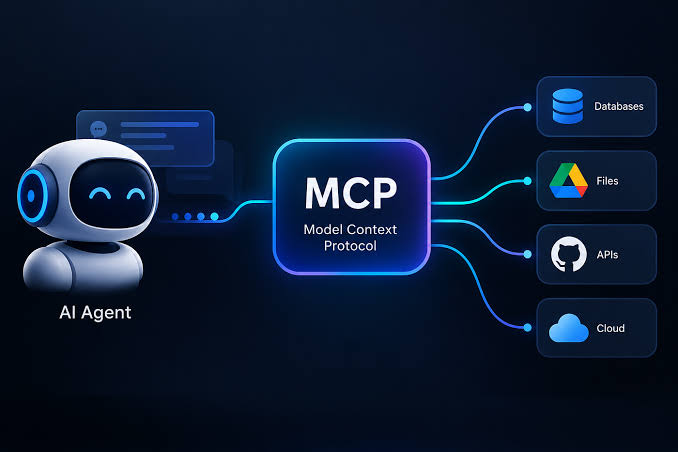
Toronto is hosting a concentration of hands on work to move agentic artificial intelligence from experiments to sustained production this week as the Model Context Protocol Dev Summit opens on October 5, 2026. The two day event, organised by the Agentic AI Foundation and run through the Linux Foundation, gathers maintainers of MCP, cloud and platform vendors, and Canadian enterprise operators to share blueprints, conformance patterns and operational lessons for running agents securely at scale.
Why the summit matters in Canada
Agentic AI, systems in which models can call out to external tools, services and long running processes, is now being integrated into business workflows across finance, telco and public sector users. Canada hosts major pockets of that activity: leading research groups, a fast growing enterprise AI practice inside telecom and cloud operators, and downstream adopters who must reconcile compliance obligations with the speed of innovation. That mix makes Toronto a practical site for an event focused on production realities, not just research prototypes.
Organisers and speakers repeatedly frame the summit as a forum for turning a de facto technical standard into production grade practices. The event schedule lists sessions addressing identity, authorization, registries, gateways and auditability, topics that determine whether agentic systems can be operated in regulated contexts while meeting privacy and safety rules. For Canadian organisations that have to comply with provincial and federal privacy regimes, those engineering patterns are the point of the conference.
What to watch during the two days
The opening program highlights Den Delimarsky, the lead maintainer of MCP who is delivering a morning keynote titled MCP As The Agentic Substrate, followed by sessions from industry implementers including engineers from TELUS and platform representatives from NVIDIA. Presentations scheduled on October 5 cover converting MCP servers to stateless, cloud native architectures, auditing tool catalogs to guard against tool poisoning attacks, and building registries and workflows that enterprises can adopt across teams.
Several sessions explicitly address governance and scale. Speakers plan to share operational conformance steps, client registration models and gateway designs intended to centralise policy enforcement. Those are practical measures that reduce the engineering work required to keep agents from calling unsanctioned services, leaking sensitive data, or performing actions that run afoul of audit requirements.
How the summit ties into Canada’s broader AI agenda
The timing matters for Canadian policy and industry. Federal and provincial authorities have tightened scrutiny of data handling and automated decision making while the federal government presses to accelerate AI adoption in public services. That regulatory backdrop elevates engineering practices that can show how safety, auditability and data residency controls are implemented at the technical layer. By convening multinational cloud providers, Canadian telcos, and protocol maintainers in Toronto, the summit creates a place where technical answers can be tested against Canada specific compliance constraints.
For vendors and platform teams, the event is also an opportunity to demonstrate how MCP can reduce vendor lock in by standardising how agents discover and call tools. For Canadian operators, that standardisation could lower integration costs and make it easier to combine domestic AI models with global infrastructure while retaining local controls.
Potential local impacts and next steps
Attendees and observers should watch for a few concrete outcomes. First, new conformance or certification practices could emerge that make it easier for Canadian enterprises to adopt agentic systems with auditable guardrails. Second, technical reference implementations presented at the summit may accelerate adoption within critical verticals such as finance and telecom, where operational continuity and regulatory compliance are decisive.
Finally, the event could shape procurement and cloud strategy. If MCP driven gateways and registries prove effective for enforcing policy and separating duties, public sector and large enterprise buyers may begin to require those architectural features in vendor proposals. That would amplify the summit’s influence beyond the developer community and into procurement and compliance teams that shape large scale deployments across Canada.
What this means for developers and decision makers
For developer teams, the summit offers a rare, practical handbook for designing resilient agentic systems: identity and token management patterns, stateless deployment options, and catalog-level auditing techniques that reduce risk. For decision makers, the event highlights where governance needs to be specified and measured, and where procurement language can encourage architectures that are easier to audit and to operate under Canadian privacy rules.
The MCP Dev Summit in Toronto will run through October 6, 2026, with follow up material and community repositories expected to appear after the final sessions. Those artifacts will be important for organisations that want to move from experimentation to repeatable, governed rollouts of agentic AI in Canada and beyond.