
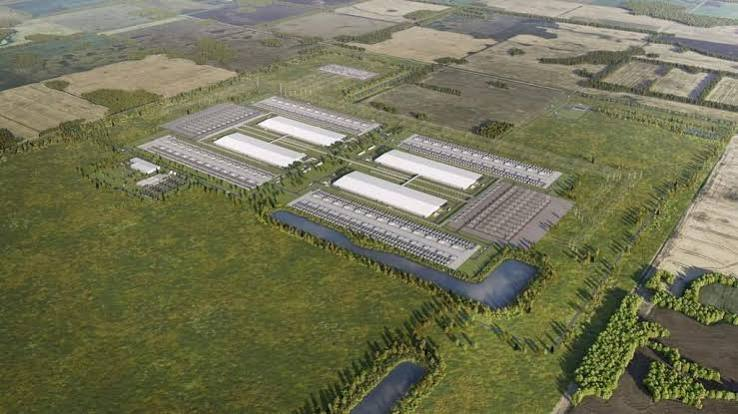
Canada’s push to become a global hub for AI computing is colliding with local opposition in Alberta, where a new public opinion snapshot shows most residents worry about the environmental, economic and social costs of massive data centre projects. The backlash is renewing debates over who should decide where and how AI infrastructure is built, and whether provincial and federal incentives are aligned with community priorities.
Polling reveals broad concern
A CBC-commissioned survey released this week found low levels of strong support for AI data centres among Albertans, with just a small minority expressing firm backing while a larger share voiced strong opposition. The poll, conducted in September, asked residents about power use, water impacts, local tax deals and the prospect of new natural gas generation being built to power data campus proposals. Worries about higher electricity costs, pressure on local water supplies and the use of fossil fuel generation were among the leading reasons for resistance.
That anxiety follows months of high-profile project announcements and planning filings across the province, including multinational hyperscaler investments and Canadian-led proposals that together could request gigawatts of new capacity if all proceed. Alberta’s mix of available land, a deregulated power market and abundant natural gas has been pitched by provincial officials as a competitive advantage for attracting data centre investment, but residents and some municipal councils have pushed back.
Town halls, council votes and planning disputes
Municipal meetings and town halls have become regular venues for dissent. Several rural councils have voted to pause or more tightly scrutinize zoning and power connection requests related to proposed data campuses. Community groups near proposed sites in places such as Olds and Sturgeon County have held protests and submitted environmental and land use concerns to regulators.
Local opposition has focused on a handful of recurring themes: the scale of proposed on site power generation, potential increases in household electricity rates, the cumulative use of groundwater for cooling, and the mismatch between construction jobs and the limited number of permanent operational roles a typical hyperscale campus creates. Those points have also attracted coverage from investigative outlets and environmental advocates, raising questions about cumulative impacts if dozens of projects move forward.
Political stakes for Ottawa and Edmonton
For the federal government, the Alberta developments complicate a broader national strategy to scale AI research and hosting capacity at home. Ottawa has prioritized domestic AI infrastructure as part of a strategy that seeks to keep Canadian data and talent onshore, while also promoting safety and sovereignty. For the Alberta government, courting hyperscalers has been framed as an economic development play that leverages the province’s energy profile and industrial land.
But the gap between the promises of investment and the concerns of residents is creating political risk for provincial leaders. New polling and visible local resistance can shift the conversation toward tougher approvals, additional regulatory conditions and prolonged municipal processes, all of which can chill investor appetite or raise project costs.
Regulatory and policy implications
The unfolding debate is already nudging policy conversations. Regulators and planning authorities are seeing an uptick in formal statements of concern, requests for cumulative impact assessments and calls to require clearer mitigation commitments from proponents. Observers say that if Alberta and Ottawa want to proceed at scale, they will need to show credible plans for clean power, transparent community benefits and enforceable environmental protections that address water, air and grid reliability concerns.
Analysts note that Canada’s ability to host AI infrastructure may increasingly depend on demonstrating lower carbon intensity and secure power supply, particularly as investors and corporate buyers face their own net zero commitments. That could push projects toward renewable-backed power or on site mitigation measures, but such changes add cost and complexity.
Why this matters beyond Alberta
Alberta’s experience will be watched across Canada and internationally as jurisdictions try to reconcile rapid AI infrastructure growth with local consent. If the province’s model results in prolonged delays or community defeats, other provinces may rethink how they recruit data centre investment. Conversely, if proponents and governments can forge agreements that address local concerns, Alberta could still become a major centre for AI hosting, with implications for domestic research, cloud competition and national digital sovereignty.
For now, the Alberta story highlights that building the physical backbone for the AI era is not purely an economic calculation. It is an exercise in local politics, environmental stewardship and public trust. How Ottawa, Edmonton, proponents and communities navigate those fault lines will shape whether Canada’s ambition to scale AI capacity domestically succeeds or stalls amid grassroots resistance.