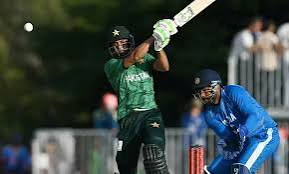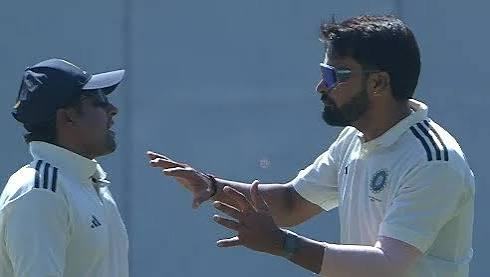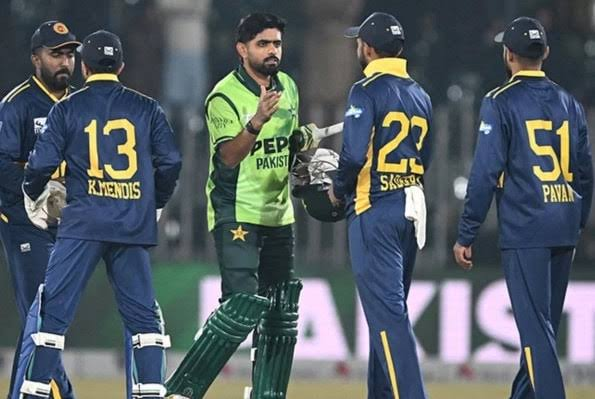
India progress to Asian Games cricket semi final after rain washes out Afghanistan quarter final
Rain in Nisshin halted play and left defending champions India to advance to the men’s cricket semi final at the 2026 Asian Games after their quarter final against Afghanistan was abandoned.
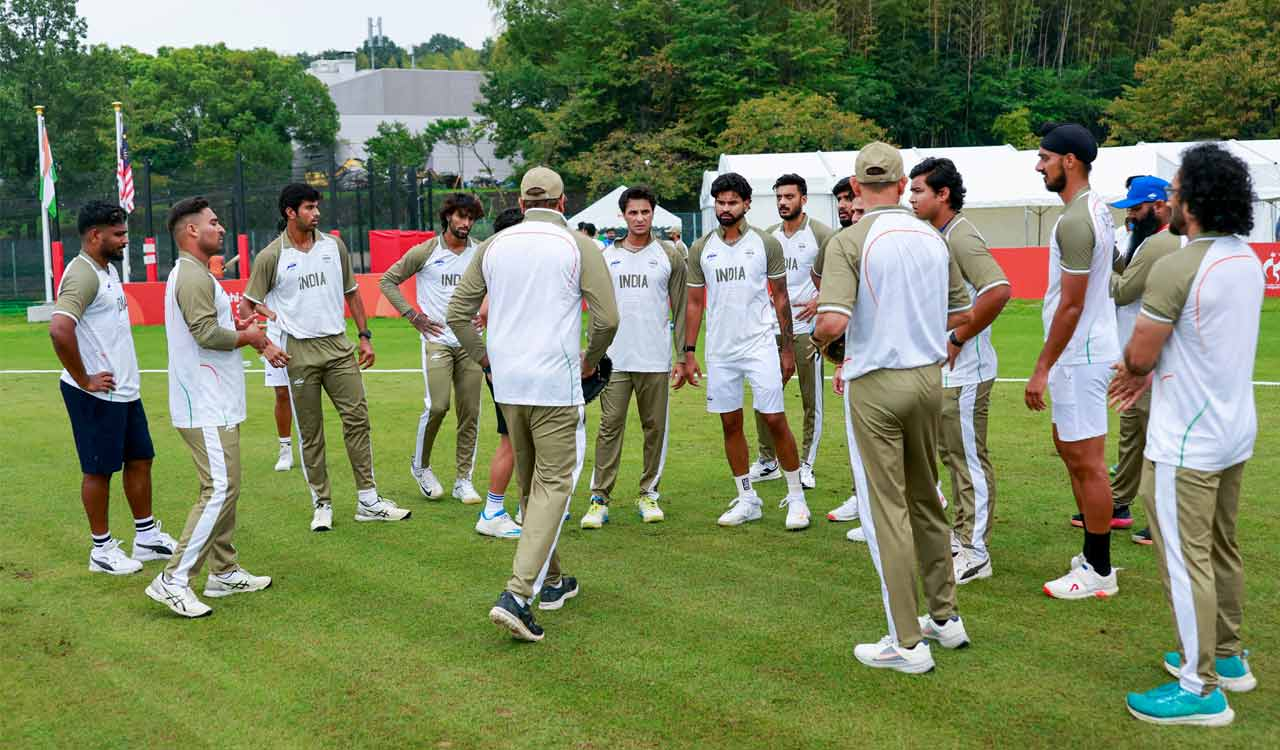
India moved into the men’s cricket semi final at the 2026 Asian Games without taking the field, after persistent rain in Nisshin forced the abandonment of their quarter final against Afghanistan. The washout confirmed India, the defending Asian Games champions, as one of the last four teams in the tournament and extended a familiar pattern in multi sport events where weather has played a decisive role. The quarter final at Korogi Sports Park was scheduled for the early hours of Monday local time, but heavy, sustained rain left the ground unplayable and officials were unable to start or complete a match. Tournament regulations treat abandoned knockout matches differently from group games. With no result possible, India, as the higher placed team from the earlier stage of the competition, progressed to the semi final. What happened and why it matters Tournament organisers and match officials inspected the outfield repeatedly during the morning, but the persistent downpour and saturated pitch meant there was no safe window to start play. For India the immediate consequence is progression in the competition, but for coaches and players the outcome is mixed. Advancing without contest removes a chance to test combinations and gives India extra recovery time ahead of the semis, while also denying match practice in game conditions at a critical knockout stage. For Afghanistan, who have been among the stronger associates in world cricket for several years, the abandonment was particularly bitter. Knockout tournaments offer limited windows to overturn expectations, and washouts in these fixtures leave teams without an opportunity to challenge stronger opponents on the field. Given the historical context, this quarter final carried added narrative weight: India and Afghanistan have met on key Asian stage occasions in recent cycles, so a played contest would have attracted close attention. Tactical implications for India The unexpected rest day alters India’s immediate planning. With less match work than anticipated, the team management must weigh the benefits of fresh legs against the risk of rustiness. Coaches typically use net sessions and intra squad practice to replicate match intensity, but those drills are no perfect substitute for the pressures of live knockout cricket. India’s route into the semis without playing also reshapes opponent scouting. The team will now prepare for whichever side emerges from the adjacent quarter final, and analytic staff will have to rely more heavily on video and data from earlier rounds rather than fresh footage from a head to head on Monday. Broader tournament consequences The washout had knock on effects for the Asian Games cricket schedule. With knockout dates tightly packed, organisers have little flexibility to reschedule abandoned fixtures. That compresses recovery windows for teams later in the week and increases the value of depth in squad selection. Teams that have already managed to play through their quarter finals will arrive at the semi final day with recent competitive exposure, while India will need to simulate that intensity in training. Weather interruptions are not new to cricket, but their impact is magnified at multi sport events where venue availability and the larger Games timetable limit contingency options. For fans and broadcasters, the abandonment is a reminder of how external factors can decide competition progress and shape narratives that would otherwise be written on the field. What to watch next India will now focus on the semi final, where the stakes are higher and the margin for error smaller. Analysts will be watching how India’s management uses the unexpected rest, whether the side plays a full strength XI, and how the team’s bowlers and batters handle the ramp up in pressure without a fresh knockout match behind them. For Afghanistan, attention will immediately shift to domestic consolidation and future tournaments as they process the lost opportunity here. The wider Asian Games cricket competition will continue to navigate a compact schedule and weather risk as it moves toward the medal matches. In short, India’s semi final berth is confirmed, but the absence of a played quarter final leaves unanswered questions about form and match readiness that will be answered only on the field in the next stage.
Topics
LocationKorogi Sports Park