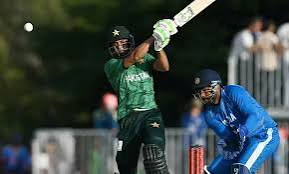
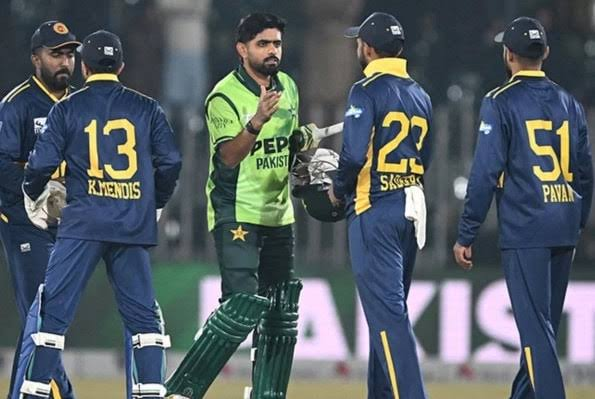
Pakistan will stage a five-match One Day International Tri-Nation Series later this month, a compact tournament that will see the hosts face Sri Lanka and England across venues in Rawalpindi and Lahore. The arrival of two established international sides marks another significant block of white ball cricket in Pakistan’s 2026 home calendar and will provide the host board with a concentrated run of 50 over cricket ahead of the winter international window.
Squad news: Kusal Mendis handed ODI captaincy, Nissanka’s fitness in focus
Sri Lanka Cricket announced a 16-player ODI squad on October 4, 2026 with Kusal Mendis appointed captain for the Pakistan tour. The selection blends established international names with players who have impressed in recent domestic and franchise cricket, and it reflects Sri Lanka’s dual aim of continuity and squad building ahead of next year’s global events. Pathum Nissanka, the team’s regular opener, will join the group only if cleared by the medical staff, an announcement that Sri Lanka’s selectors made part of the squad release. The conditional status of Nissanka means Sri Lanka may travel with contingency options at the top of the order depending on his final fitness assessment.
The squad list includes a mix of senior pace resources and spin options to handle subcontinental conditions, with players such as Dushmantha Chameera, Maheesh Theekshana and Dilshan Madushanka among those named. For Pakistan, hosting two full international sides in quick succession tests both playing depth and match readiness, while offering a stage to showcase pitch and venue preparation to visiting teams and global audiences.
Where and when: Rawalpindi and Lahore to host the series
The ODI tri-series will form part of a multi-format tour to Pakistan that runs through October and into November. Rawalpindi Cricket Stadium and Lahore’s Gaddafi Stadium are scheduled to host the series games, with the ODI leg set to begin after a preceding T20 assignment. The concentrated scheduling gives teams a compact block of international cricket to fine tune 50-over combinations and to acclimatise visiting players to conditions in Pakistan.
Security and logistics: heightened precautions in Rawalpindi
Local authorities in Rawalpindi have reiterated that security and operational arrangements for the incoming matches have been finalised. Ahead of the Pakistan leg of the tour, the district administration confirmed additional police deployments and layers of surveillance and access control around the Rawalpindi Cricket Stadium. Measures cited by officials include extra personnel from specialised units, expanded camera coverage and a stadium control room to coordinate movements and responses during match days. Authorities have also adjusted traffic and parking plans around the stadium to manage spectator flows and to limit disruption across adjacent neighbourhoods.
Those arrangements are part of a continuing effort by local and provincial agencies to ensure the smooth hosting of international teams and to reassure visiting delegations of their safety and comfort while in Pakistan. The prominence of the series, and the presence of two Test nations in the touring party, make operational planning a priority for organisers and civic authorities alike.
What this means for Pakistan cricket
For Pakistan, the Tri-Nation Series carries more than immediate competitive benefit. Staging repeated international assignments at home strengthens the country’s claim to be a dependable host and provides the Pakistan Cricket Board with match practice for its players in front of home crowds. For selectors and team management, the series is an opportunity to test combinations under pressure in the 50-over format and to expose younger players to high intensity international games against contrasting opposition.
For travelling sides, the series is also valuable preparation. Sri Lanka’s condition-based selection around a lead opener underlines the practical constraints touring teams manage, from player fitness to short turnaround windows. England’s planned participation gives the series additional competitive heft, and the composition of visiting squads will be watched closely for indications of how teams prioritise this block in their wider international calendars.
Looking ahead
The Tri-Nation Series begins in mid to late October, offering a compact set of ODIs culminating in a series final. The scheduling, security measures and squad announcements together illustrate Pakistan’s continuing role as an active international host in 2026, while also highlighting the connective work between boards, local authorities and touring teams required to stage modern international cricket.
Fans and broadcasters will now shift attention to the detailed itineraries and match day logistics as squad fitness confirmations and final travel clearances are completed in the days before departures. With two high profile oppositions arriving, Pakistan’s summer into autumn cricket window promises to be closely followed by regional audiences and the global cricket community.