University and company formalise wide ranging collaboration in Miri and Kuching
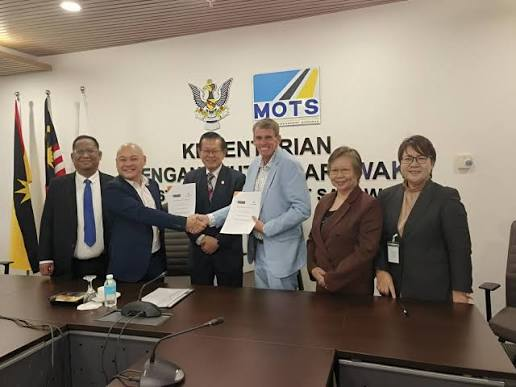
Curtin University Malaysia and DriverAI (Malaysia) Sdn Bhd have formalised a strategic collaboration to expand research, teaching and commercialisation in artificial intelligence, quantum computing and advanced engineering. The partnership was cemented through a memorandum of understanding signed late last month, with the agreement made public by local media on October 2, 2026.
What the agreement covers
The MoU sets out a broad program of joint activity rather than a single project. Key areas named for exploration include AI and quantum computing, satellite and communications technology, robotics, advanced manufacturing, data centre infrastructure, semiconductor and electronics manufacturing, thermal management systems and supply chain technology. Parties will consider practical training, industry placements, knowledge exchange, entrepreneurship support, applied research and routes to commercialise technologies developed at the university.
Access to computing resources and industry facilities
Both organisations flagged intent to explore access to advanced computing resources, including potential use of supercomputers or high performance clusters, and collaboration on data centre and research facilities. The MoU also highlights potential transfer of equipment, access to manufacturing capability and joint work on intellectual property and distribution networks for commercialised solutions.
Why the deal matters for Sarawak and Malaysia
The partnership arrives as Sarawak pursues a technology led growth pathway under its Post Covid 19 Development Strategy 2030. State leaders have prioritised digital transformation and skills development to attract high value investment and create new employment pathways for graduates and local workers. By combining a research university based in Miri with a Malaysian technology firm focused on applied AI and advanced computing, the collaboration aims to create practical on ramps from education to industry.
Focus on talent, applied research and commercialisation
University leaders emphasised that the agreement is designed to give students and faculty hands on exposure to emerging technologies, rather than purely classroom learning. Proposed activities include internships, industry supervised capstone projects, co supervised research, and entrepreneurship support intended to move promising prototypes toward market readiness. For a region seeking to retain talent and grow a local innovation ecosystem, those mechanisms are central to turning research into jobs and investment.
Regional infrastructure and supply chain implications
Beyond skills and research, the MoU touches on domains that require physical infrastructure, such as data centres and semiconductor related manufacturing. Malaysia has seen rising interest in data centre investment and semiconductor capacity across the region, and partnerships that link academic expertise with industry partners can help de risk local projects by providing workforce pipelines and applied R and D tied to industry needs.
Next steps and governance
The MoU is a framework instrument, and both parties said they will develop specific projects and commercial agreements under separate contracts. That means details on funding, facility access, project timelines and intellectual property terms will be finalised on a case by case basis. Observers will be watching for announcements of concrete pilot projects, student placement schemes and any plans to deploy or host advanced computing hardware in Sarawak.
How this fits Malaysia's wider AI agenda
Malaysia has been steadily advancing national AI capacity through initiatives that include an AI national office, a dedicated national AI entity and draft governance frameworks. Local partnerships that combine universities with private sector technology firms are a common tactic to accelerate capability building, provide training at scale and seed commercial activity. If executed at scale, arrangements such as this could help bridge the gap between policy ambition and demonstrable industrial capability in areas that require both specialised talent and sizeable capital investment.
Risks and limits to watch
While the agreement sets a positive strategic direction, it does not by itself guarantee rapid deployment of hardware heavy projects such as supercomputers or semiconductor facilities. Such projects are capital intensive and require long lead times, complex supply chains and clear regulatory and energy planning. The ultimate impact will hinge on the parties ability to secure funding, align with state and federal incentives, and demonstrate early wins that justify larger investments.
Bottom line
The Curtin Malaysia and DriverAI MoU is a notable example of how regional actors are trying to build local AI and advanced computing capability by linking universities with specialised industry partners. It is an early stage step that could improve skills, expand applied research and create pathways for commercialisation in Sarawak, provided subsequent project agreements deliver tangible resources and opportunities for students and researchers.