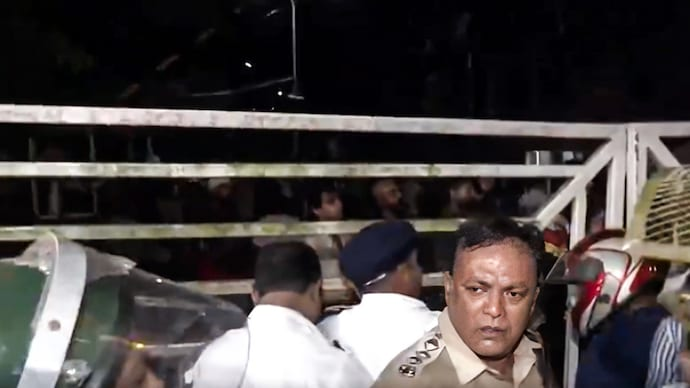
Kolkata’s premier film school, the Satyajit Ray Film and Television Institute, was the scene of a violent confrontation on Monday, September 28, after students objected to an event they said was organised by a right wing group. Videos and eyewitness accounts show scuffles between students and attendees, with several people sustaining injuries and at least one complaint filed with local police about the use of sticks and bricks.
What happened at SRFTI
Students at the institute say they raised objections before the event began, alleging that speakers planned to use the platform to target campus activists and to level political labels such as anti national and urban Naxal at dissenting voices. Tensions escalated as a crowd gathered outside an auditorium, and clashes broke out when some attendees tried to force their way in. Hospital sources and circulating footage show people with cuts and bruises. Institute authorities were reported to have intervened and campus security called local police.
Filmmakers weigh in
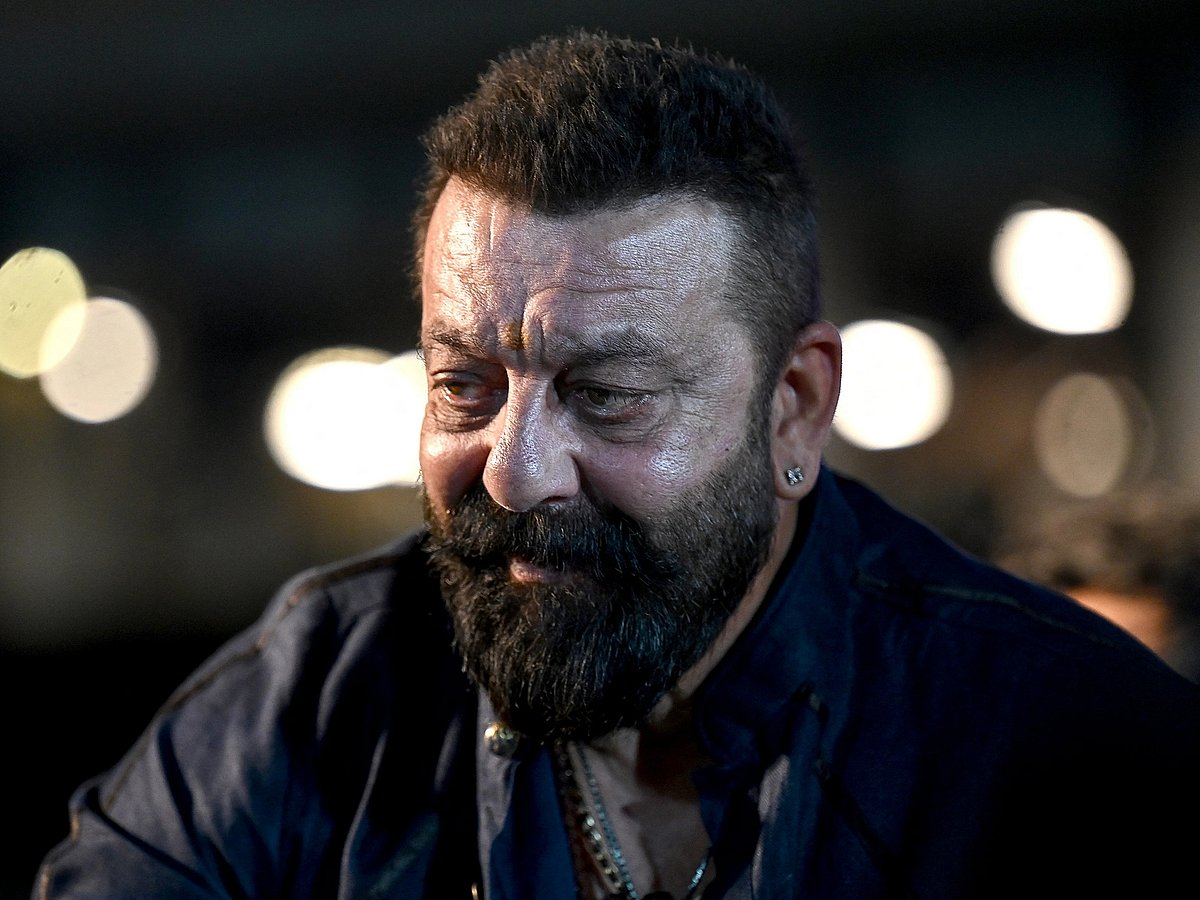
The incident quickly drew responses from the film community. Filmmaker Anurag Kashyap publicly criticised organisers and officials, describing the episode as symptomatic of a shrinking space for dissent and raising questions about campus safety. Other industry figures expressed concern for student safety and urged that institutions protect free expression while keeping campuses secure.
Students say event violated campus norms
Students organising the initial protest said their objection was not to free speech itself but to the ostensible intent of the event, which they described as an attempt to intimidate and stigmatise student activists. They warned that allowing provocatory political assemblies without adequate institutional oversight risks polarising campus life and exposing students to physical harm. Several student representatives called for an independent probe and for protections for those who raise objections to politically charged programs.
Administration and police response
Institute administrators confirmed that there had been a confrontation and said they are reviewing how the event was cleared. Local police said they responded to a call and were investigating allegations of assault and public disorder. Officials from both the institute and law enforcement indicated the matter was under inquiry and that further action would depend on the evidence collected and statements from those present.
Why the clash matters for Indian film education and free expression
SRFTI is one of India’s central institutions for film education, and incidents on such campuses carry significance beyond immediate injuries. Film schools are training grounds for future filmmakers, critics, and cultural commentators. When campus events become flashpoints for larger political conflicts, students, faculty and the broader film community face a dilemma about where to draw lines between protecting free speech and preventing intimidation.
Industry responses underscore an emerging anxiety among creators about the limits of artistic and political expression in public institutions. The protest and the subsequent violence also raise practical questions for administrators about event vetting, campus security protocols, and how to handle politically sensitive programming without criminalising dissent.
Looking ahead
Students and faculty at SRFTI have called for a transparent review of the episode and for clearer rules on how external events are approved and monitored. The institute has signalled it will cooperate with police inquiries and examine internal procedures. Meanwhile, filmmakers and civil society voices have urged authorities to ensure that investigations are impartial and that campus spaces remain environments where debate and creative work can continue without fear of physical harm.
The incident at SRFTI on September 28 has reverberated through India’s film community and academic circles, prompting renewed debate about campus governance, the responsibilities of cultural institutions, and the boundaries between public events and student safety. As authorities review the facts, the broader conversation about protecting dissent while preventing violence on university and creative campuses is likely to continue.