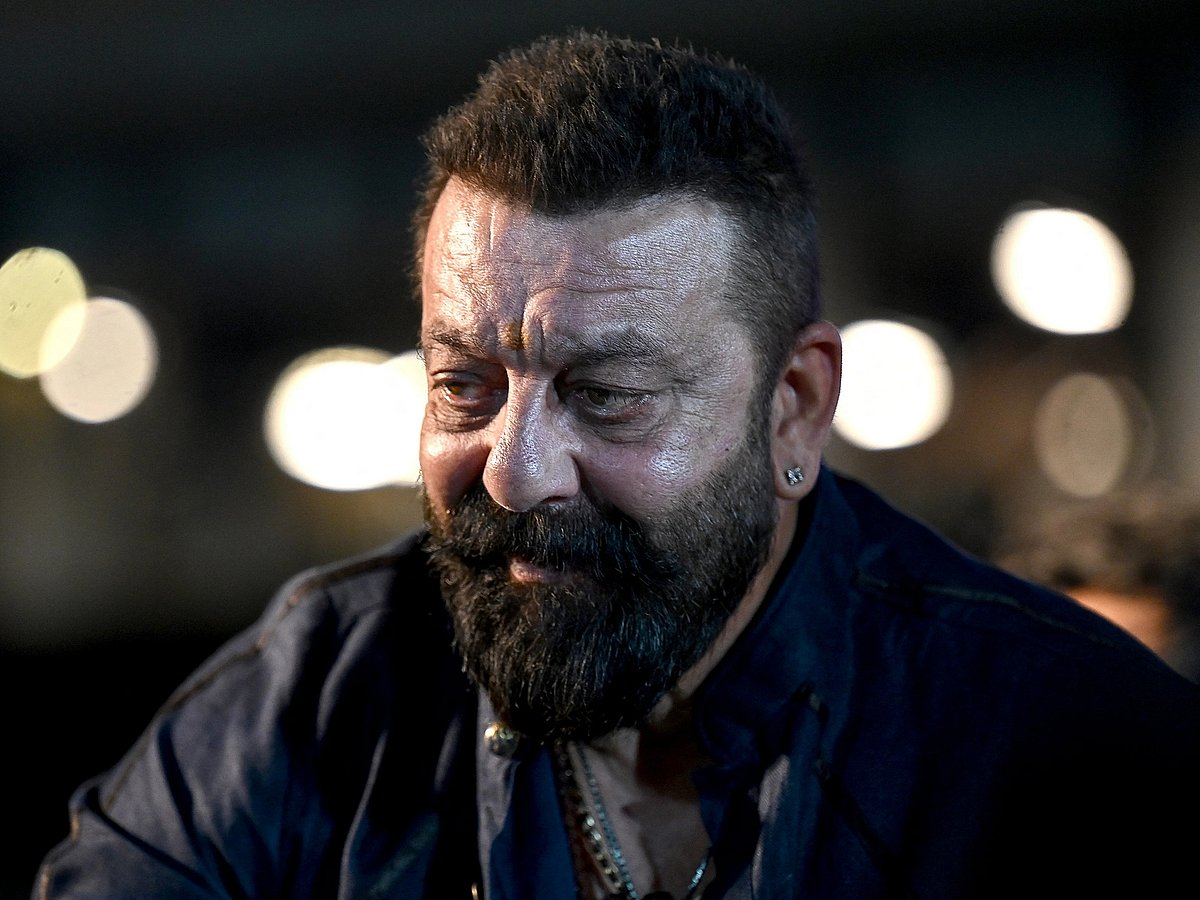
Bollywood actor Sanjay Dutt moved to clarify remarks that sparked widespread online and political reaction after a clip from a Gandhi Jayanti special of the talk show Shekhar Tonite circulated widely. In the clip, Dutt, adopting his Munna Bhai persona for a satirical exchange, said he no longer felt the same peace in India. The comment prompted immediate debate on social media and drew responses from politicians, fellow entertainers, and media commentators.
What Dutt said and how he walked it back
The remarks were made during a conversation on Shekhar Tonite that was shared by the show on its social channels. Within hours, the clip became a talking point across platforms, with viewers reading the line as a direct criticism of the country. Dutt responded by posting a clarification on his social account, saying the passage was part of a scripted, light hearted segment and was not intended to hurt or offend anyone. He described the bit as playful, invoking his Munna Bhai character in the spirit of satire rather than as a literal commentary on national life.
Several news outlets published Dutt’s clarification and the original clip on the same day, and the actor’s statement framed the line as an element of a performance rather than an off the cuff political pronouncement.
Reactions from politics and industry
The response was immediate and mixed. Some viewers and social commentators saw the remark as careless, given the sensitivities around national discourse on a public holiday that celebrates Mahatma Gandhi. A member of a state legislative council from a national party publicly criticized the actor, using the episode to question the appropriateness of such remarks by a prominent entertainer.
At the same time, personalities from the entertainment world, including the show’s host, spoke in Dutt’s defence. The host argued the segment was meant to be humorous and satirical, and should be seen in that context. Other colleagues in film and television urged caution in judging the actor, noting that sketches and scripted segments often use exaggeration to make a point or to provoke thought without intending actual political attack.
Why the episode became a headline
Three elements explain why the exchange turned into an item of national conversation. First, the line hit during Gandhi Jayanti, a date when public sentiment about national unity and values is heightened. Second, Dutt’s use of his well known Munna Bhai persona blurred entertainment and public commentary, increasing the surprise when a seemingly political line circulated outside the show’s full context. Third, social media’s rapid amplification of short clips means remarks that would once have run as a segment within a longer show now become isolated soundbites open to reinterpretation.
Those forces together make even staged or scripted moments risky for high profile figures, particularly when the subject touches on national identity and civic harmony.
What this means for Bollywood figures and public speech
The incident is part of a recurring dynamic where celebrities who speak about social or political themes face instant and polarised reaction. In recent years, several actors and filmmakers have seen offhand comments or scripted jokes escalate into broader debates, forcing clarifications, apologies, or further explanation. For the film industry, that pattern underscores the narrower margin for ambiguity when entertainment crosses into subjects that many interpret as political.
For audiences, the episode invites reflection on how short excerpts travel online and how context is often lost in the process. Media analysts say viewers, platforms and creators all share responsibility in ensuring that performance pieces are consumed with an understanding of format and intent, especially on sensitive dates.
Next steps and continuing coverage
As of this report, the show’s producers and Dutt have offered public statements emphasizing context and intent, while some political figures signalled they will continue to reference the episode in public commentary. The controversy appears contained to debate and statements rather than legal or formal action, but it has already become a fresh example of how rapidly interpreted media excerpts can influence public conversation.
The episode also underlines how celebrity platforms and prime time formats can shape civic discussion, intentionally or not. With film personalities increasingly present on talk formats and social channels, similar misunderstandings are likely to recur unless participants and platforms build clearer context into how sensitive material is presented and shared.
For now, the story remains an active subject in entertainment coverage for the day, with further commentary likely as reactions continue to be posted and television and digital outlets analyse the exchange in longer form.