
Federal investigators in Australia and their overseas partners unveiled new operational steps on September 28, 2026 aimed at disrupting organised scam networks that target Australian residents. Authorities said fresh intelligence and enforcement actions in multiple countries were sharpening the pressure on criminal groups running offshore scam compounds and online fraud campaigns, and highlighted how increasingly sophisticated tools including AI and voice cloning are being used to trick victims.
What authorities disclosed
Officials described coordinated activity that combines law enforcement actions, financial disruptions and public warnings to cut the reach of syndicates operating from hubs outside Australia. The announcements included the sharing of new victim and wallet data, updated guidance on recognising AI enabled impersonations, and a commitment to expand blocking orders and removal of illicit payment channels used by scammers.
Investigators stressed that the effort is both prosecutorial and preventative. On the enforcement side, police and partner agencies have been identifying and mounting cases against individuals and groups who staff scam compounds, launder proceeds and operate fake business or government fronts online. On the prevention side, regulators and consumer protection bodies are stepping up public alerts, tighter controls on advertising and payment services, and the rapid take down of fraudulent websites and social accounts used to recruit victims.
New evidence and evolving tactics
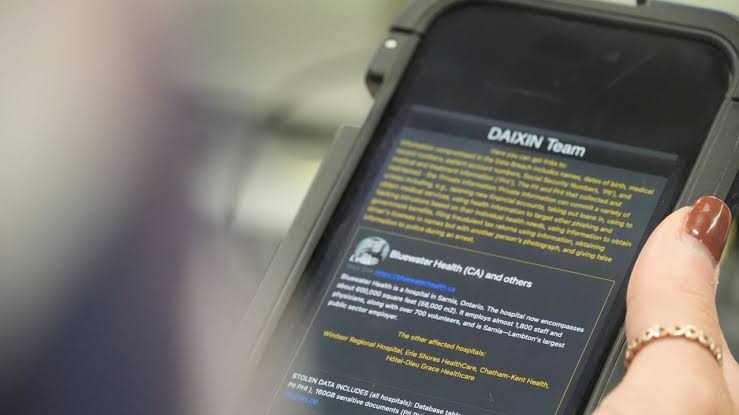
Authorities pointed to recent seizures and recovered documents from Southeast Asian compounds and other offshore locations that contain lists of Australian phone numbers and scripts designed to impersonate Australian institutions. Investigators said the script material and internal records recovered from those operations show a high degree of organisation, role specialisation, and use of social engineering techniques that rely on manufactured urgency and credible impersonations.
Officials also warned of a notable increase in scammers using artificially produced audio and synthetic video to impersonate trusted figures, and urged the public to treat unsolicited calls or messages requesting money, sign in information, or transfers to digital wallets with extreme caution.
Money flows and financial disruption
Regulators and financial crime investigators emphasised the centrality of payments and crypto channels to the scam economy. The latest measures announced include expanded sharing of suspect wallet addresses and enhanced liaison with international payment platforms and virtual asset service providers to freeze or block movement of stolen funds. Authorities signalled that they will press for faster removal of scam-related bank and payment accounts and for stricter compliance by platforms that enable rapid value transfers.
Investigators said these steps are intended to make operations less profitable and to increase the chance of freezing proceeds before they can be siphoned into complex laundering networks.
Why this matters to Australians
Australians have reported billions of dollars in losses to scams in recent years. The renewed focus by domestic and international agencies recognises both the scale of financial harm and the human cost to victims. By combining criminal investigations with regulatory pressure on payments and advertising, authorities aim to reduce both the volume of scams and the speed with which criminals can monetise stolen money.
Authorities urged Australians to report any suspected scam attempts, to verify identities by contacting organisations directly using independent contact details, and to avoid clicking links or following instructions in unexpected messages. They said victims should also inform their banks or payment providers immediately, and if money has been sent to crypto wallets, to provide transaction details to investigators to aid disruption efforts.
Next steps
Law enforcement agencies signalled that more arrests and asset actions are expected as investigations progress. Regulators said they would accelerate work with social media platforms and online ad networks to remove scam adverts and fake pages, and that they will publish additional technical guidance for businesses and banks to spot laundering techniques linked to scam proceeds.
Officials closed the briefing by reiterating that the fight against transnational scam networks requires constant international cooperation, and that improvements in technology used by criminals make collective action and rapid intelligence sharing essential to protect consumers.