Ahmedabad police dismantle bootlegging racket that refilled premium bottles with cheap liquor
Ahmedabad police say a local operation repackaged low cost Indian-made foreign liquor into premium branded bottles, arresting one man and seizing hundreds of bottles, caps and labels. Authorities are hunting three accomplices and probing the supply chain used to source empty bottles and counterfeit stickers.
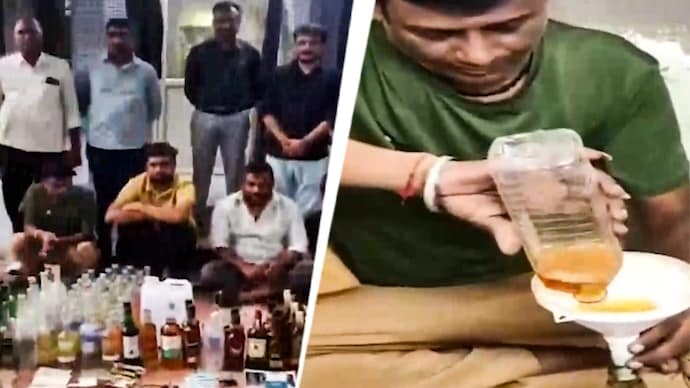
Ahmedabad police on Monday said they had broken up an unauthorised bootlegging operation in the Krishnanagar and Thakkarbapanagar neighbourhoods that refilled premium brand bottles with cheaper Indian-made foreign liquor for resale at inflated prices. Police arrested one man at the scene and recovered finished bottles, empty branded containers and packaging materials that investigators say were used to disguise low cost alcohol as premium products. Officers from the Local Crime Branch Zone 5 and the Krishnanagar surveillance team carried out a raid following a tip off and detained a 23 year old identified in police reports as Hemal alias Heku Maheshbhai Vaghela. Teams recovered a mixed cache that included 47 sealed bottles of various brands, 71 quarter bottles, 15 beer cans, and hundreds of empty labeled glass bottles and caps. Investigators also seized more than 200 brand stickers that appear designed to imitate well known foreign labels. Police said the accused and his associates collected empty premium bottles and matching caps, refilled them with cheaper IMFL, resealed them and applied counterfeit brand stickers to make the products appear authentic. The finished goods were allegedly offered in the local market at prices closer to genuine luxury labels, a margin that investigators say supported the network’s profit model. How the racket worked According to officials leading the case, the group relied on a simple but effective method to avoid early detection. They sourced discarded or used bottles from scrap dealers and roadside vendors, gathered caps and counterfeit labels from regional suppliers, and carried out refilling and resealing inside a residential unit. At least one report indicates the syndicate used a temple store room as a hidden warehouse to conceal finished stock from routine patrols and inspections. The operation’s supply chain appears to have included small local printing houses capable of producing convincing label imitations. Police said they are tracing the sources of the duplicate stickers and the origin of the cheap IMFL used to refill the bottles, while also mapping the distribution routes that moved repackaged product into the market. One arrest, three suspects at large While Vaghela remains in custody, police identified three other men allegedly linked to the operation as Bharat Solanki, Vijay Hirabhai Solanki and Sunil Ganeshbhai Solanki, all from the same neighbourhood, and said they remain at large. Officers said the investigation is continuing and that further arrests are possible as forensic examination of the seized material and transactional inquiries are carried out. Investigators have opened multiple lines of inquiry, including identifying where the empty premium bottles were obtained, whether the counterfeit labels were produced locally or supplied from outside the city, and whether any licensed sellers knowingly accepted repackaged stock. The Local Crime Branch told reporters the bottles could have been routed into the informal market through clandestine retail channels or home delivery networks. Health, legal and market risks Beyond the immediate criminal allegations of fraud and trademark imitation, police and consumer safety experts warn of the public health risks of repackaged alcohol. Substituting cheaper spirits into bottles that consumers associate with strict quality control bypasses regulatory safeguards and can expose buyers to adulterated or improperly stored liquids, which can cause illness or worse. From a legal standpoint, the operation implicates multiple offences, including illegal production and sale of intoxicants where state law prohibits or regulates them, offences under intellectual property law for counterfeit branding, and fraud for passing off goods as authentic. In Gujarat, where the sale of liquor is heavily restricted, bootlegging and illegal repackaging also attract stricter enforcement attention. Why this matters Counterfeit and repackaging scams of this kind erode consumer trust in supply chains and risk harming legitimate businesses that invest in brand reputation and quality assurance. In markets where demand for premium labels remains strong, these scams can be lucrative and therefore resilient, because they take advantage of neglected parts of the supply chain: scrap markets, small print shops and informal distribution networks. For law enforcement, the case is a reminder that sophisticated packaging and better sealing techniques lower the barrier to consumer deception. For regulators and brands, the episode highlights the need for improved traceability, including better record keeping across wholesalers and tighter controls at scrap and recycling points where genuine bottles are diverted. Consumer advice Authorities and consumer groups advise buyers to purchase sealed bottles from licensed shops and to check packaging for damage or signs of tampering. Consumers who suspect they have bought repackaged liquor should report the incident to local police and public health authorities, and preserve the bottle and receipt as evidence. Next steps in the probe Police said forensic work on the seized labels and caps is under way, and that they are seeking the three named suspects. They also said they will investigate whether the operation had wider links in other parts of the city or state, and will coordinate with commercial enforcement units to trace printers and scrap suppliers implicated in the chain. The Local Crime Branch has said it will provide additional details as the probe develops, and that consumers should remain cautious when buying branded liquor, especially through informal channels or home delivery services not linked to licensed retailers.
Topics
LocationKrishnanagar, Thakkarbapanagar