Treasury Expands Bond Buybacks to $6 Billion as U.S. Seeks to Calm Rising Borrowing Costs
The U.S. Treasury said it will buy up to $6 billion of longer dated securities in a buyback operation, a step officials say is aimed at improving market functioning even as investors question how much it will slow the rise in long term yields.
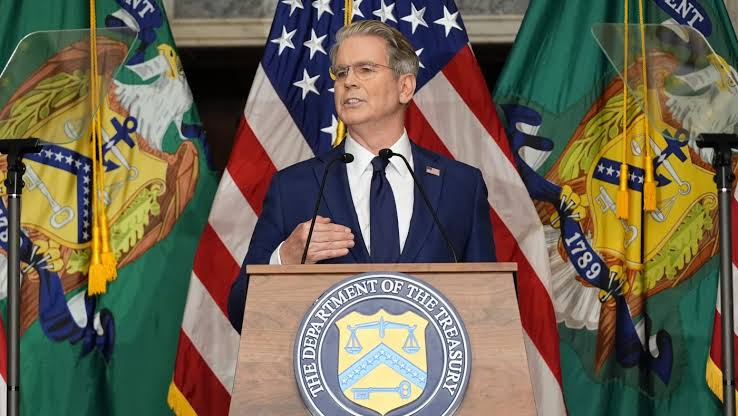
WASHINGTON. The U.S. Treasury on Wednesday announced it will purchase up to $6 billion of longer dated government securities in an expanded buyback operation, part of a broader effort by Secretary of the Treasury Scott Bessent to ease pressure in the Treasury market. The move triples the previous maximum for a single long dated operation, and comes as long term yields in the United States have climbed to multiyear highs. The buyback targets Treasury securities with remaining maturities in the 10 to 20 year sector. Treasury officials say these liquidity support operations give market participants a predictable, orderly option to sell older, off the run bonds that can trade less actively than newly issued benchmarks. That in turn can help narrow liquidity gaps and prevent disorderly price moves that feed upward pressure on yields. H2: Why Treasury is intervening now Treasury officials have framed the program as a market functioning measure rather than an attempt to change the underlying direction of yields. Officials contend that by regularly purchasing off the run securities, the department can help smooth trading and make the long end of the curve more resilient when global or domestic shocks push yields higher. The timing reflects a sharp pick up in long term yields over recent months. Market participants and multiple news reports point to a range of forces pushing yields up, including higher energy costs, elevated government borrowing tied to large fiscal deficits, and a general repricing of risk by investors. Analysts note that while buybacks can offer temporary liquidity relief, they do not alter structural factors such as the stock of outstanding federal debt or investors broad expectations for future inflation and policy rates. H2: Market reaction and investor skepticism Initial market reactions have been mixed. Reports from financial news desks show that yields at the long end of the curve moved higher after the announcement, a sign that traders wanted a larger scale intervention or a different policy mix to address the supply demand imbalance in Treasury markets. Several market strategists told reporters that a $6 billion cap, while increased, is small relative to the roughly 40 trillion dollars in outstanding federal debt and the pace of new issuance financing ongoing deficits. Traders and economists say buybacks can help relieve logistics in trading by offering dealers a clearing mechanism for off the run paper. However, some analysts warn the operations risk being perceived as symbolic unless the Treasury is willing to scale up purchases further or pair buybacks with clearer plans to reduce deficit growth. That prospect raises political and practical questions about how much federal financing policy the Treasury can or should use to influence market interest rates. H2: What the Treasury says and what to expect next Treasury statements emphasize that buybacks are meant to support market functioning, and that the department will continue to monitor market conditions. The Treasury has scheduled a series of liquidity operations through the autumn, with a stated minimum size threshold for long dated operations until early November. Officials say they will adjust the size and timing of operations as needed to promote orderly market conditions. Analysts say the most important gauges for the buyback program will be the degree to which liquidity in the 10 to 30 year sectors improves, whether dealer inventories and bid ask spreads narrow, and if long term yields stabilize without the need for larger interventions. The Federal Reserve remains the primary institution for addressing inflation and overall monetary conditions, so investors will keep watching Fed communications and data on inflation and economic growth alongside Treasury activity. H2: Why this matters to the broader economy Long term Treasury yields are central to borrowing costs across the economy. Mutually referenced benchmarks such as the 10 year yield influence mortgage rates, corporate borrowing costs, and the discount rates used in pension and insurance valuations. If long term yields continue to climb, borrowing costs for households and businesses could rise, weighing on mortgage demand, business investment, and public finances. For Treasury policymakers, the buyback program is a tactical tool aimed at reducing frictions in a critical market. For markets and policymakers, the bigger challenge remains fiscal dynamics and global risk factors that shape investors appetite for duration. How effective the $6 billion operation proves to be will depend on investor confidence in the Treasury programs future trajectory, and whether it can be paired with measures that address the deeper drivers of yields. Short term, the buyback is likely to be watched less as a solution to rising rates, and more as a signal. The market will test whether the Treasury is prepared to escalate support, and whether buybacks can materially alter the trading environment enough to keep borrowing costs from rising further. Word count: approximately 820.
Topics
LocationU.S. Department of the Treasury