Home / Hollywood / TheGrill 2026 convenes Hollywood leaders in Los Angeles as AI Creator Day and M and A reshape industry conversations
TheGrill 2026 convenes Hollywood leaders in Los Angeles as AI Creator Day and M and A reshape industry conversations
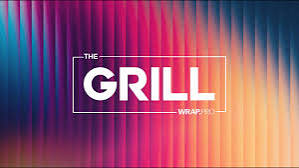
TheWrap’s flagship conference TheGrill opened at the DGA Theater in Los Angeles on September 30, 2026, pulling together studio chiefs, distributor executives, creator economy founders and ad and tech partners to debate AI, M and A, theatrical demand and what will actually fill seats in the coming years.
By Chloe Merrick · Published September 30, 2026 at 10:03 PM
Industry leaders at TheGrill 2026 in Los Angeles discuss AI and the future of film and TV.
Industry summit opens in Los Angeles as leaders push past headlines
TheGrill 2026, TheWrap’s annual industry conference, opened at the Directors Guild of America Theater in Los Angeles on September 30, 2026, bringing together more than 300 executives, creators and technologists for a day of panels and networking focused on artificial intelligence, content financing, theatrical demand and a wave of media mergers that continue to reshape Hollywood. Organizers billed this year’s event as a moment for business leaders to move beyond rhetoric and toward practical strategies. Programming began with an adjacent AI Creator Day on September 29, a full day of workshops and demos aimed at creators and brand partners, and continued into the main conference with sessions that paired studio executives with creator-economy entrepreneurs and ad technology leaders. Speakers included senior executives from exhibition, streaming, studio distribution and advertising, along with founders from prominent creator-led companies and academics focused on entertainment technology. Panels explored how generative tools are changing production workflows, what studios are doing to guarantee theatrical windows make economic sense, and how buyers should value content in a consolidating marketplace.
AI Creator Day signals a new emphasis on production and monetization tools for creators
The addition of AI Creator Day underscored a practical pivot: companies are now centering creators in conversations about how artificial intelligence will be integrated into storytelling and business models. The preconference included demonstrations and case studies from technology providers and media partners, and presenters from Adobe and other platform companies outlined toolchains meant to reduce turnaround time for short form and episodic content while preserving creative control. Panelists emphasized the potential for AI to accelerate ideation and reduce repetitive manual tasks, while warning that rights management and revenue models remain unsettled. For talent and their representatives, the promise of faster production comes with questions about who owns models trained on existing work and how creators will be compensated as automated tools proliferate.
From theatrical demand to M and A, the conversation reflected an industry in transition
A recurring theme during TheGrill was how to create undeniable reasons for consumers to pay for theatrical outings or premium subscriptions, at a time when studios face pressure from both investors and regulators. Studio and exhibition executives discussed strategies to rebuild sustained moviegoing, from eventized release calendars to higher quality tentpoles and clearer release windows that give theaters room to market. M and A also hovered over conversations. Executives debated whether the recent flurry of deals will concentrate power in ways that aid content financing or whether regulatory scrutiny will change the calculus for large-scale combinations. Speakers agreed that the contours of any consolidation will directly affect production budgets, greenlight decisions and where creators choose to develop projects.
Creator economy meets traditional Hollywood executives
One of the most watched strands of programming paired creator founders with studio executives, reflecting a continued flow of talent and production dollars into creator-led companies. These discussions explored models where creators produce scaled episodic content with in-house teams, and how traditional distributors are partnering with or licensing from creator studios rather than treating short form and streaming as separate ecosystems. Panelists described hybrid approaches. Some creators are building infrastructure to produce premium content with Hollywood crews, while several studios are experimenting with development deals that give established influencers greater operational control in exchange for a share of backend revenues. The conversations highlighted a common goal, to turn direct audience relationships into projects that can compete on quality and marketing heft.
Why TheGrill matters right now
TheGrill’s timing matters. The conference assembles decision makers as Hollywood navigates the practical implementation of AI, the fallout from high profile mergers and an uncertain theatrical marketplace. For executives, the event is a marketplace for forming distribution experiments and testing commercial assumptions in front of investors and buyers. Attendees told conference moderators they were looking for immediate, implementable takeaways: production use cases that protect creators, monetization approaches that respect audiences, and regulatory scenarios that could reshape deal structures. The presence of advertising and platform leaders indicated the industry is searching for cross ecosystem solutions, whether that means new sponsorship models for event films, expanded premium ad tiers for streaming, or creator-friendly licensing frameworks.
Outlook
As TheGrill 2026 runs through September 30, the conversations taking place at the DGA Theater reflect a Hollywood that is trying to reconcile technological opportunity with commercial reality. Executives are no longer debating whether AI will influence content, but how to govern, compensate and monetize it. At the same time, the debate over consolidation and theatrical strategy shows that business leaders are negotiating the balance between scale and creative plurality. For the industry, TheGrill is less about pronouncing a single answer and more about assembling the relationships and experiments that will determine which models work. Over the coming months, the partnerships and pilot projects announced in conference backchannels are likely to be the truer measure of the event’s impact than any single keynote or panel discussion.
Chloe Merrick is a contributor at QuantumNova covering stories across multiple areas of public interest. Her reporting focuses on reliable information, clear presentation, and providing readers with useful context around current developments.
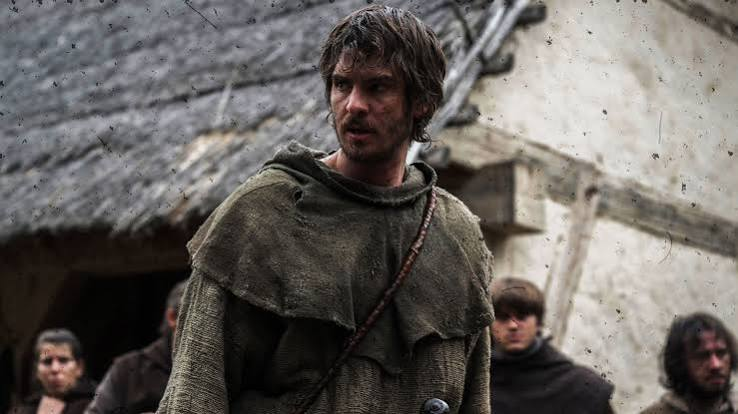
Andrew Garfield is in the United Kingdom this week promoting The Uprising, a star-led historical drama that reimagines the 1381 Peasants’ Revolt. The actor’s UK media appearances on October 5 spotlight a film that British distributors open in cinemas next week, and underline how Hollywood actors and UK history are being reframed for modern audiences.
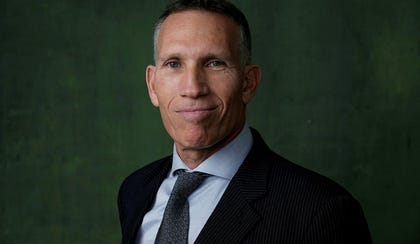
Paramount Skydance has tapped Mattel chairman and chief executive Ynon Kreiz to be co chief executive of the combined Paramount and Warner Bros. businesses, a high profile operational hire that arrives as a federal judge cleared a settlement that all but paves the way for the blockbuster takeover to close in early October. The move signals a shift toward integrating two of Hollywood’s biggest studios while promising increased U.S. film investment and production output.
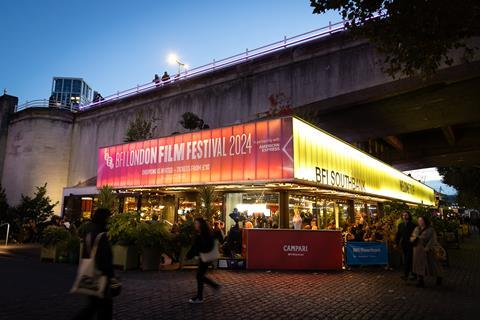
The 70th BFI London Film Festival has added new high-profile titles to its programme, bringing Hollywood auteurs and UK premieres to the capital just days before the festival opens. The additions underscore London’s role as a key stop for major studio and independent launches ahead of awards season.
A surprise licensing collaboration between Disney and Netflix begins rolling out in the United States today, October 4, 2026, moving a cluster of high profile films and series from Disney platforms to Netflix and reshaping short term streaming lineups and windowing dynamics.