The Guardian‑produced documentary Naza opens in UK cinemas as global release begins
Naza, the Venice Special Jury Prize winning documentary produced by The Guardian, begins its theatrical run in the United Kingdom on September 28, 2026. The film will play in multiple territories before being made freely available online by its producer after the cinema window.
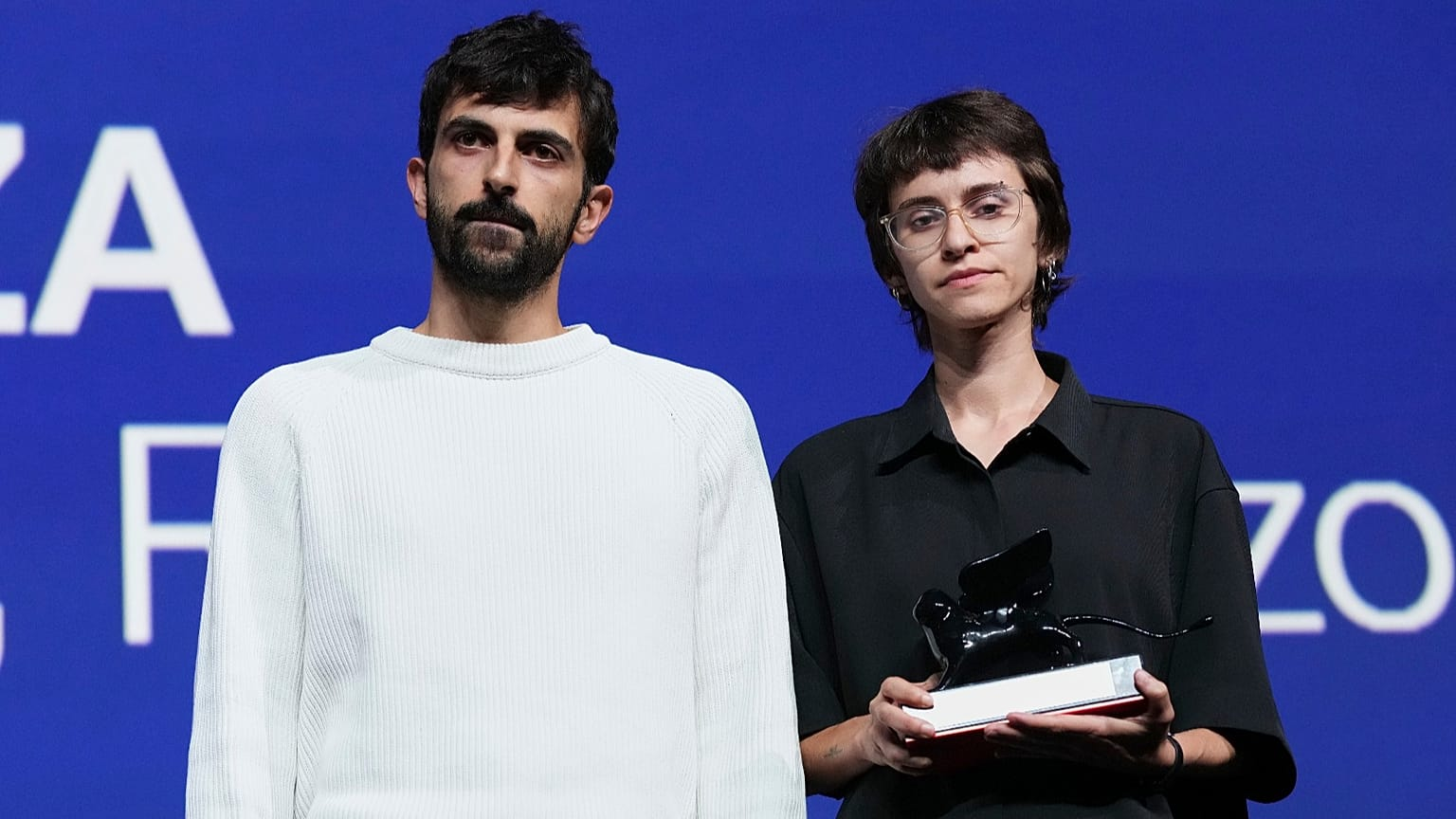
The Guardian produced documentary Naza begins a UK theatrical rollout on September 28, 2026, arriving in cinemas after a high profile launch at the Venice Film Festival where it won the Special Jury Prize. The film, directed by Yuval Abraham and Rachel Szor and executive produced by Jonathan Glazer, has already provoked intense debate across festival circuits and international press with its footage and testimony alleging systemic targeting of civilians during Israeli operations in Gaza. Naza is being distributed internationally by mk2 Films and will open in more than 50 territories as part of a fast global release strategy. In the United Kingdom the film will screen in select venues from September 28, before expanding to further locations in the following weeks. The Guardian, which helped produce the documentary, has announced plans to make the film available for free on its website after the theatrical window, a distribution decision that aims to broaden access while preserving a period of box office and press exposure. Why the UK release matters The Guardian is one of the United Kingdoms most read national news organisations, and its role as a producer gives the UK release particular resonance. The decision to back Naza and then host a free streaming window on a British publisher owned platform turns a cinematic release into a journalistic event. For British audiences, the move places the film within a familiar domestic news ecosystem, where readers and viewers may encounter editorial coverage, comment and organised screenings alongside the theatrical run. British cinemas and critics will therefore be among the first in Europe to screen Naza, and the UK release is likely to shape conversations about how investigative journalism and documentary filmmaking intersect. The film has already sparked controversy in other countries, including political pushback in Israel, and the UK theatrical run will be watched closely by broadcasters, regulators and campaign groups who follow media coverage of the Israel Gaza conflict. The film and its approach Naza was shot largely at night from rooftops in Tel Aviv and is structured around on camera testimony from military and intelligence personnel. According to the filmmakers synopsis, interviews include more than two dozen Israeli soldiers and officers who speak about operational practice and targeting procedures. The filmmakers and producers have said they took extraordinary steps to anonymise sources and to protect contributors, which was cited as a reason the film was added to Venices competition lineup later in the selection process. The documentary team pursued a rapid international rollout to ensure the story reached a wide audience before it was adapted into other platforms. The Guardian and mk2 have positioned the UK theatrical release as part of a larger release itinerary that includes screenings across Europe, North America and other territories, followed by a public streaming window that the newspaper says will be timed after the end of the cinema run. Reaction and likely impact in the UK Expectations in the UK are for robust media coverage and vigorous public debate. The Guardians involvement ensures that newspaper pages and digital platforms will carry editorials, features and unpacking pieces to accompany the screenings. Cinemas that choose to show the film may also organise post screening Q and A events with critics, filmmakers and experts, which could turn theatrical screenings into civic forums. Because the subject matter intersects with foreign policy and security, the UK screenings may also prompt questions from parliamentarians and advocacy groups about both the film's findings and the safety of journalists and sources. British cultural institutions have in recent years been more proactively engaged with politically charged documentary releases, including through curated festivals, academic symposia and public programming. Naza arrives into that ecosystem at a moment of heightened sensitivity about conflicts overseas and the role of investigative journalism. What to watch for next In the short term, coverage of Nazas UK release will focus on box office footprint in major cities, whether cinema chains will expand booking schedules, and how British critics appraise the films craft and claims. Over the medium term, attention will shift to the terms of The Guardians proposed free streaming window, including its timing and any editorial framing that will accompany a public streaming release. The combination of a commercial theatrical opening and a planned free online broadcast by a major UK news outlet is a notable example of new distribution models for politically charged documentaries. For UK audiences, the theatrical release on September 28 offers the first opportunity to see the film on the big screen and to take part in an unfolding discussion about journalism, accountability and the responsibilities of news organisations that fund feature length films. Directors, producers and British media organisations will be closely monitoring how the run plays out in the UK, and whether the hybrid release strategy becomes a template for future high impact documentary storytelling.
Topics
LocationUnited Kingdom