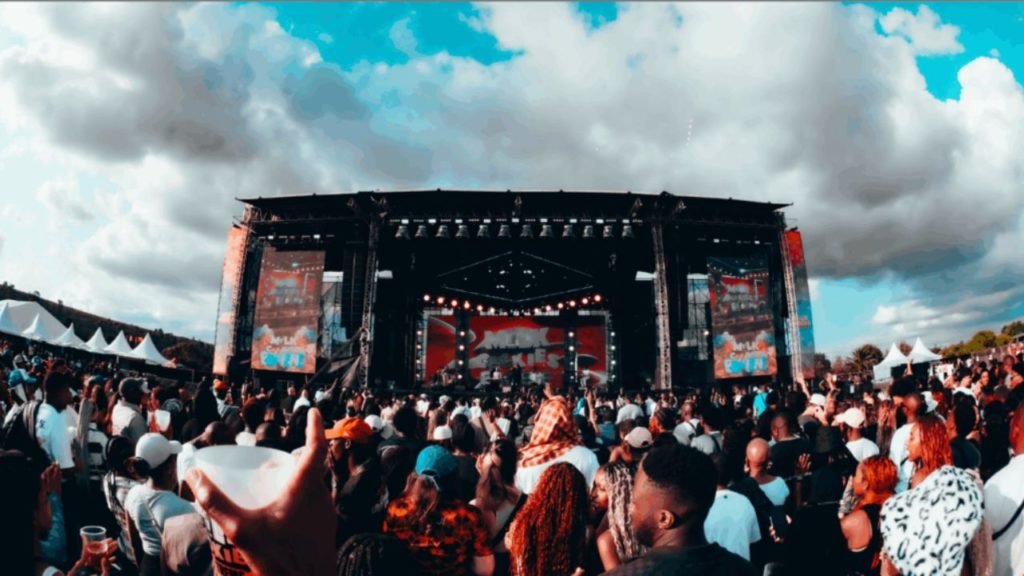
South Africa’s live events calendar turns busy on October 3, 2026, as a string of regionally important festivals and cultural gatherings open their gates across Gauteng and beyond. The one day and multiday events range from large commercial music festivals to longrunning community celebrations, and together they underline the country’s rebound in live entertainment and festival culture.
What is happening on October 3
In the east of Johannesburg, Boksburg’s Spring Fiesta stages a full day of music and dancing, billed as a celebration of South African dance culture and contemporary festival programming. Organisers present multiple stages of live acts, local food vendors and a late night programme that extends into the early hours, aiming to capture both local partygoers and regional festival crowds.
Meanwhile in Pretoria, Melkfest returns to SuperSport Park with an expansive lineup focused on Afrikaans music and festival spectacle. Over the years Melkfest has positioned itself as a flagship event for contemporary Afrikaans-language artists, festival culture and family friendly entertainment, drawing audiences from the Tshwane metro and adjacent provinces.
Also in Tshwane, Homecoming Africa marks its tenth anniversary with a day at the Pretoria National Botanical Garden that mixes music, fashion and cultural performance. The anniversary edition promises a programme that blends nostalgia for older acts with showcases from writers, performers and producers shaping South Africa’s contemporary scene.
Why the cluster of festivals matters
These concurrent events point to three broader trends in South Africa’s entertainment sector. First, there is a clear appetite for live experiences after years of intermittent cancellations and capacity limits. Festivals that survived the pandemic era are expanding their formats and experimenting with cross disciplinary programming that includes fashion, food and cultural showcases alongside live music.
Second, regional variety is on display. Spring Fiesta’s dance and club emphasis in the east Rand sits alongside Melkfest’s Afrikaans music focus and Homecoming Africa’s cross generational cultural remit in Pretoria. That diversity matters because it demonstrates how festival models adapt to distinct local audiences rather than relying on a one size fits all offering.
Third, the festival economy matters for jobs and tourism. These gatherings create demand for local stage crews, sound and lighting technicians, security, food traders and hospitality workers. They also funnel visitors into town hotels, guesthouses and transport networks, delivering a short term economic boost to host cities.
What to expect on the ground
Attendees should expect heavy traffic and limited parking near major venues on October 3, and promoters are encouraging the use of public transport and ride share options where available. Festival organisers are also emphasising standard onsite services such as clearly marked first aid points, water stations and cashless payment options for vendors.
For music fans, the day offers a rare chance to see multiple styles of South African popular music in one weekend. From dance oriented sets at Spring Fiesta, to the communal singalong culture at Melkfest, to curated showcases and market stalls at Homecoming Africa, the mix is designed to appeal to both local residents and out of town visitors who time their trips to coincide with the festivals.
Looking ahead
Organisers and city event planners will be watching attendance figures closely, because positive turnout supports bids for bigger future programmes and can attract private investors and national sponsors. If these October 3 events match expected crowd numbers, it will strengthen the argument for continued growth in South Africa’s live entertainment sector, and for more investment in crowd management and cultural infrastructure.
For now, October 3 looks set to be a high energy day across multiple South African cities, a moment when music, culture and commerce come together in a single pulse of festival activity.