Paramount-Warner merger hits its self-imposed September 30 deadline as legal fight and ticking fees loom
Paramount Skydance’s bid for Warner Bros. Discovery reaches the contractually set September 30 milestone, shifting economic pressure onto the deal as state antitrust litigation continues and a daily ticking fee structure stands ready to begin if closing slips.
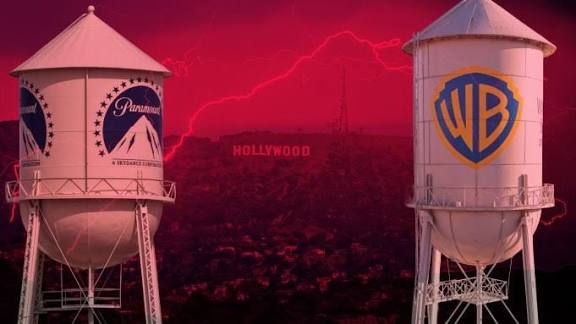
Paramount Skydance’s bid to acquire Warner Bros. Discovery reached a critical contractual milestone on September 30, 2026, as the parties approach the outside date written into their merger agreements. That deadline matters for more than symbolism. If regulatory or legal obstacles prevent the transaction from closing by the end of the day, a prearranged ticking fee and a series of financial and political consequences could begin to take effect, increasing the commercial urgency around what is already the most contested media merger in years. H2: What the September 30 date means Under the terms publicly disclosed by Paramount and Warner Bros. Discovery earlier in the year, the deal carried an outside date tied to a per share ticking consideration. Paramount’s regulatory filings and investor statements made clear that, if the merger had not closed by September 30, a daily accrual mechanism was designed to compensate Warner Bros. Discovery stockholders for delay. The ticking arrangement is structured so that the per share amount accumulates after the deadline, converting to a larger quarterly calculation that can add tens or hundreds of millions of dollars in additional cost the longer closing is delayed. Industry documents filed with regulators also show that Paramount had committed to a range of additional protections, including a regulatory reverse termination fee and equity financing commitments, designed to reassure WBD shareholders and lenders that the transaction is fully financed and that the buyer can bear the financial burden of delays. H2: The legal front remains unsettled Even as the contractual calendar turned, the most immediate impediment to closing remains litigation. A coalition of state attorneys general and at least one major creative guild pursued legal challenges that allege the combination would harm competition in key segments of the film and television marketplace. That litigation has produced court filings, scheduling orders, and settlement negotiations that have been closely watched by studios, unions, and financial markets. Court dates and case management orders filed publicly this month show an active litigation timetable, including discovery schedules and motion briefing that will shape whether a judge will issue a preliminary injunction or allow the transaction to proceed toward closing. The states contest the merger’s potential effects on theatrical distribution, advertising, and the marketplace for film and television production, and they have reserved the right to press for remedies or structural relief if the court finds the transaction would substantially lessen competition. H2: Financial pressure and industry consequences If the deal does not close immediately, the ticking fee begins to convert the commercial cost of delay into a measurable and accelerating number. That accrual was built into the parties’ transaction documents, and it is meant to create an incentive for swift closing while compensating WBD shareholders for the risk of prolonged uncertainty. Beyond the ticking fee itself, the merger’s delay or derailment would carry large implications across Hollywood. Executives and union leaders have emphasized that the combined company had promised a slate of theatrical releases, production spending commitments, and workforce protections as part of its public case for the merger. A prolonged legal fight could upend investment plans, stall greenlit projects, and produce political pressure in states that have framed the deal as a jobs issue. H2: Why this matters to Hollywood and audiences The Paramount-Warner transaction is being watched because it would reshape the roster of major Hollywood studios and the balance among streaming, theatrical, and cable businesses. The combined scale of the companies would affect distribution choices for big budget films, the bargaining power of creators and talent, and the way advertisers and subscription services allocate dollars. If ticking fees begin to accumulate, the additional financial drag will alter boardroom calculus, potentially accelerating settlement talks, changing negotiation leverage, or prompting creative workarounds to preserve projects and staff. For audiences, the long term impact could surface in the form of quieter release calendars, fewer independent financing routes for midbudget films, or changes in how and when major titles are given windows in theaters versus digital platforms. H2: The path ahead Expect activity on multiple fronts in the coming weeks. The litigation schedule will continue to dictate whether the case heads to trial or is settled. Regulators and courts could impose remedies, or the parties might pursue negotiated compromises that change the deal terms. Paramount and Warner Bros. Discovery have repeatedly told investors that they are prepared to pursue closing steps and to meet regulatory conditions where required, while the states and public interest groups have indicated they will press their antitrust arguments vigorously. Whatever happens next, the September 30 milestone has shifted the conversation from theoretical concerns to a tangible commercial countdown. The legal calendar and financial mechanics now interact directly with creative decisions in Hollywood, making the next developments likely to have concrete consequences for studios, talent, and moviegoers. Byline note: This article synthesizes company filings and contemporaneous reporting to explain how the contractually set September 30 date affects the Paramount-Warner transaction and why the milestone matters to the film and television industry.
Topics
LocationParamount Skydance and Warner Bros. Discovery