KARACHI, September 27, 2026 , Pakistan’s financial markets ended the week on a cautious note on Sunday, with the Pakistan Stock Exchange showing little net movement and the rupee holding steady. Investors cited renewed geopolitical uncertainty that kept global oil prices elevated, and a closely watched visit by an International Monetary Fund team that will assess progress under Pakistan’s multi year lending arrangements.
Flat equities, selective sector gains
The benchmark KSE 100 index was largely range bound during the outgoing week, finishing the period with only marginal change after choppy sessions. Brokerage and market commentary pointed to a mix of profit taking, late session buying and sector specific flows. Refinery and energy linked names were the most sensitive to moves in international crude, while other segments remained under pressure as investors weighed macroeconomic risks.
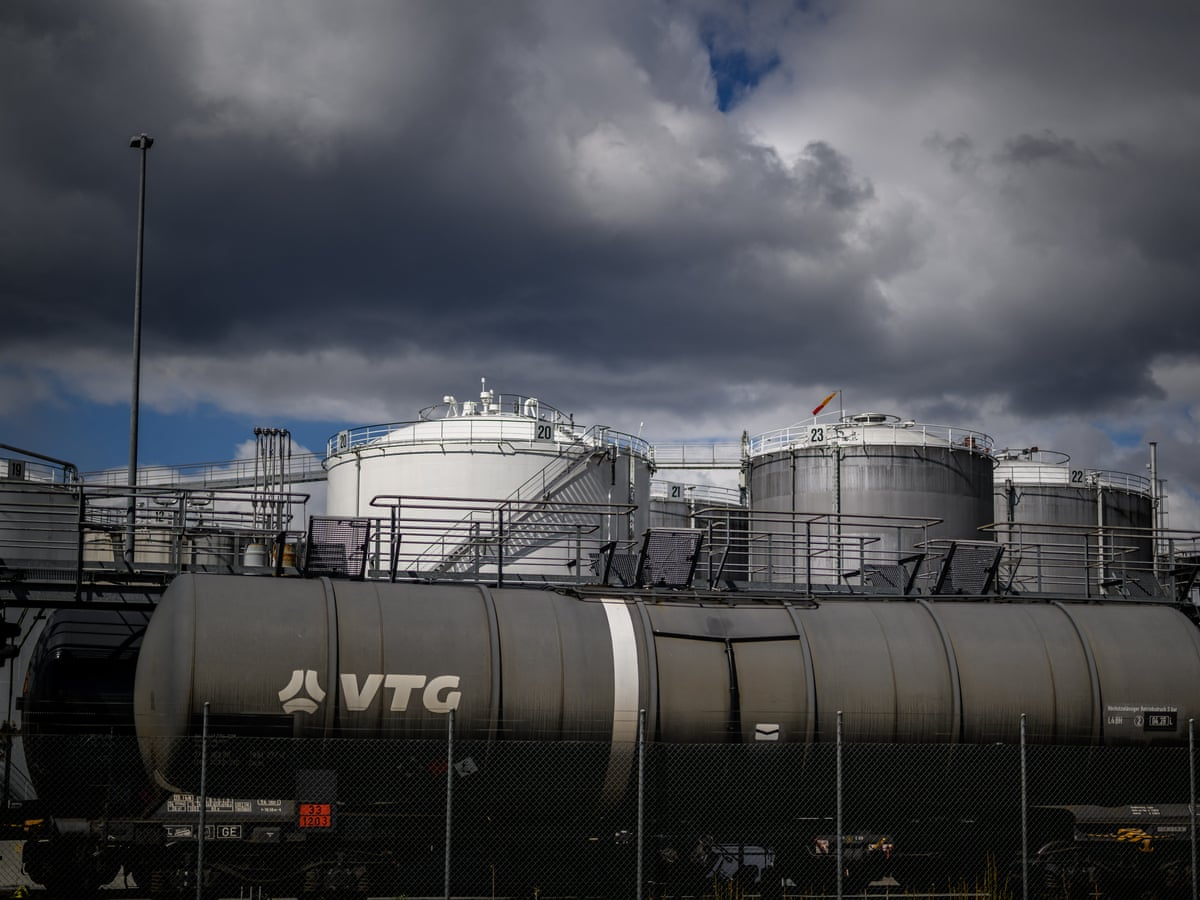
Market participants told reporters that short term sentiment was being driven by two forces. First, uncertainty tied to US Iran diplomacy kept Brent crude prices elevated, increasing the expected import bill and stoking inflation fears. Second, an IMF staff mission that arrived to review Pakistan’s reform program was acting as a near term catalyst, with investors anticipating that the mission outcome would influence scheduled disbursements and external financing flows.
Currency and reserves: fragile steadiness
The Pakistani rupee traded in a narrow range, appreciating slightly to about 277.16 to the US dollar in interbank trade. Dealers and analysts described the move as technically stable, supported by balanced near term dollar demand and modest central bank interventions. Observers cautioned that stability remains conditional on continued inflows and on securing expected external funding tranches.
Official data cited by market reports put Pakistan’s total liquid foreign exchange reserves around the high twenties of billions of dollars, with the State Bank of Pakistan showing a modest uptick in its own holdings. Analysts emphasised that import cover measured in months remains a key metric for market confidence, and that any setback in external financing could rapidly change the outlook for both reserves and the exchange rate.
Energy prices and domestic impact
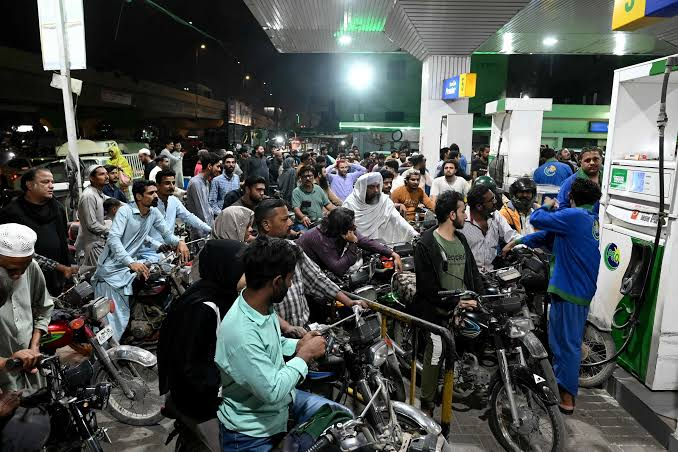
Petroleum pricing under the daily mechanism showed mixed movements during the week, with high speed diesel falling noticeably while petrol experienced a small rise. The discrepancy reflects shifts in international refined product spreads and local policy adjustments. Higher global oil prices feed directly into Pakistan’s subsidy and deficit calculations, and can intensify inflationary pressures on transport and power generation costs.
Power generation data cited by market watchers showed a year on year increase in output for August, driven by a combination of hydel, coal, gas and wind. Nevertheless, the average cost of generation rose as the system relied more on RLNG and furnace oil, a trend that could widen the current account deficit if crude stays high.
Why the developments matter
Short term market calm masks underlying vulnerability. Pakistan is operating under extended IMF support aimed at restoring macroeconomic stability and rebuilding buffers. The outcome of the current IMF review matters for two reasons. First, approval and subsequent disbursement of tranches would provide budget support that narrows financing gaps and bolsters foreign exchange reserves. Second, successful reviews strengthen investor confidence and can lower borrowing costs for both the sovereign and corporates.
Conversely, a negative or delayed review would intensify pressure on the exchange rate, lift risk premia on Pakistani assets, and could force more aggressive adjustments to fiscal and energy subsidy policies. For ordinary consumers and businesses, persistent high oil prices translate into higher transport and production costs, which would feed into inflation and potentially slow real economic activity.
Outlook and policy levers
Market strategists expect volatility to persist until the IMF mission publishes its findings and international oil price movements become clearer. Key indicators to watch in the coming weeks include official statements from Pakistani authorities on fiscal targets, any IMF staff report or communiqué, weekly reserve updates from the central bank, and daily petroleum pricing notices that affect the trade balance.
Policymakers face a delicate balance. Maintaining exchange rate stability and rebuilding reserves will likely require a combination of tight liquidity management by the central bank, prudent fiscal execution, and secured external financing commitments. At the same time, abrupt subsidy reversals or sharp tax increases would risk social and political backlash, complicating the path to adjustment.
For investors, the near term strategy is likely to remain defensive, with attention concentrated on macro headlines and sectoral exposures linked to energy and import costs. For policymakers, the immediate task is to translate technical stability into durable confidence through clear signals on external financing and credible progress on program milestones.
As the week closes, Pakistan’s markets offer a picture of guarded steadiness, contingent on developments far beyond local trading floors, with global geopolitics and international finance once again proving central to the country’s economic trajectory.