Netflix premieres LEGO One Piece special today, bringing live action cast back as voices
Netflix’s two part LEGO One Piece special arrives September 29, 2026, offering a family friendly, comic retelling of the Straw Hats early journey with the live action ensemble returning as voice actors. The release expands Netflix’s cross format One Piece strategy ahead of multiple 2027 debuts.
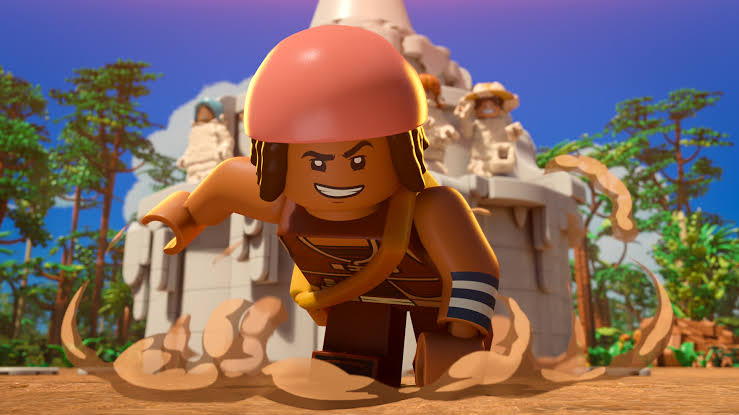
Netflix is adding a new tonal layer to its One Piece universe today, September 29, 2026, when it releases LEGO One Piece, a two part animated special that recasts the streamer’s live action Straw Hat ensemble as voice actors and reframes early franchise events through the unreliable narration of Usopp. The special, produced in partnership with the LEGO Group and animated by Atomic Cartoons, arrives on the platform as a compact, accessible companion to the live action series. It retells the East Blue and early Grand Line adventures in a LEGO aesthetic that leans into sight gags and meta humor while remaining rooted in character beats. Netflix has positioned the project as a way to introduce younger or new viewers to the core Straw Hat personalities, while offering existing fans a playful revisitation of Season 1 and Season 2 material. Why Netflix released LEGO One Piece today Netflix’s release strategy for One Piece has become deliberately plural. The streamer is currently maintaining three distinct creative tracks: the live action series that launched its global adaptation project, a WIT Studio produced anime remake set for early 2027, and now this LEGO animated special. The timing matters. By placing LEGO One Piece between Season 2 and the forthcoming Season 3 cycle, Netflix creates a low barrier entry point that can attract families and social media attention without interrupting the larger story arcs planned for the live action continuity. The project is short and immediate by design. With two approximately 30 minute episodes, LEGO One Piece offers a rapid, comedic condensation of events that would otherwise be spread across longer episodes or seasons. The framing device reportedly has Usopp narrating to Chopper, which allows the creative team to wink at canonical inconsistencies and to play with perspective, exaggeration, and playful visual reinterpretations in brick form. Cast and production notes Netflix confirmed that the principal live action actors return to perform their LEGO counterparts in English, preserving the continuity of voices fans associate with the streamer adaptation. That creative choice underlines the special’s status as a true companion piece and not an unrelated spinoff. Atomic Cartoons, which has experience translating established properties into brick animated form, handles the animation, giving the special a distinctive Lego motion and comedic rhythm. The project also benefits from the LEGO brand’s broad recognition and toyline potential. Netflix and LEGO have previously collaborated on specials and branded projects, which makes this a natural extension of both companies’ instincts to cross promote content and products while creating family friendly streaming events. What this means for the One Piece franchise on Netflix For Netflix, LEGO One Piece performs multiple functions. It serves as a brand multiplier, broadening the franchise’s demographic reach. It reduces friction for younger audiences who may not be ready for the stakes and violence of the live action series, while also offering diehard fans a new piece of official franchise content to discuss and share. The special also helps maintain visibility for One Piece between major releases, an important consideration in a crowded streaming marketplace where sustained audience attention matters. From a business perspective, the special is a low risk, potentially high reward move. Production runs are shorter and the promotional window can be tightly managed. Because the cast reprises their roles, the special preserves continuity value without necessitating extended actor commitments for full season shoots. For LEGO, this is an opportunity to refresh the brand partnership and to translate popular franchise moments into collectible or displayable forms. Creative impact and audience reception prospects By funneling One Piece through Usopp’s perspective, LEGO One Piece promises to be less about faithful reenactment and more about comic reinterpretation. That choice gives the special license to be inventive visually and narratively, and it reduces the pressure of 1 to 1 adaptation comparisons. Critics and viewers will likely judge the special on its humor, voice performances, and the cleverness of its visual gags, rather than on how strictly it adheres to manga beats. The format also raises questions about tone management for the overall franchise. Netflix must ensure that the lighter LEGO outing does not dilute the emotional stakes of the live action adaptation, nor confuse casual viewers as to which series to watch first. Early indications from Netflix promotional materials suggest the company intends fans to treat the special as a friendly palate cleanser, not a replacement for the main series. Why this matters in Hollywood today The release demonstrates how major streamers are leveraging established franchises across formats and formats to maximize audience reach. It is a reminder that modern Hollywood release strategies are increasingly platform native, mixing animation, live action, and merchandise lines to keep franchises culturally present between marquee season launches. For Netflix, LEGO One Piece is both a marketing vehicle and an experiment in cross audience conversion, testing whether a playful, family oriented offshoot can create fresh entry points into a franchise otherwise geared toward older teens and adults. For viewers interested in sampling the One Piece universe in a lighter key, LEGO One Piece will be available on Netflix beginning today. The special is short, self contained, and designed to be a shareable streaming event, underscoring how franchises now exist simultaneously as core narratives and as adaptable content ecosystems.
Topics
LocationNetflix release