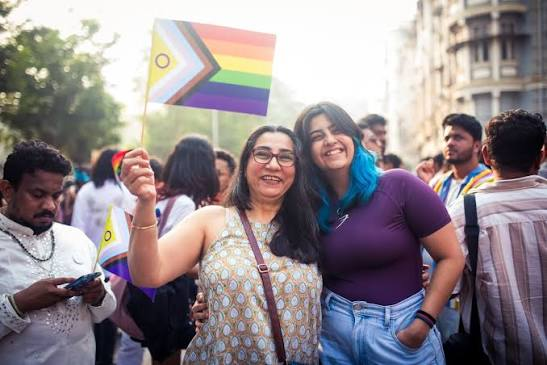
Mumbai’s streets were transformed into a sea of rainbow colours and choreography of performance, protest and pageantry when thousands gathered for the city’s 16th Pride March in February 2026. What began as a demand for visibility and basic civil rights has matured into a multi-day cultural moment: a convergence of art, fashion, film and community organising that underlines queer life as both celebration and sustained political struggle in India’s financial capital.
From parade to platform: Pride as cultural programming
Over the past decade Mumbai’s Pride has expanded beyond the march itself into curated festivals and fringe events that foreground queer stories across media. In 2026 organisers and local arts groups programmed film screenings, spoken-word nights, drag performances, panel discussions and a fashion showcase that drew designers, performers and activists. The week-long atmosphere turned cafes, galleries and public spaces into stages where identity and style met policy demands.
That crossover between lifestyle and activism has measurable effects: cultural programming amplifies grassroots calls for legal and social reforms while making Pride accessible to people who might not otherwise attend a protest. Fashion and entertainment elements also helped attract younger participants and broaden media coverage, increasing visibility for issues that organisers say remain urgent.
Attendance, demands and a maturing movement
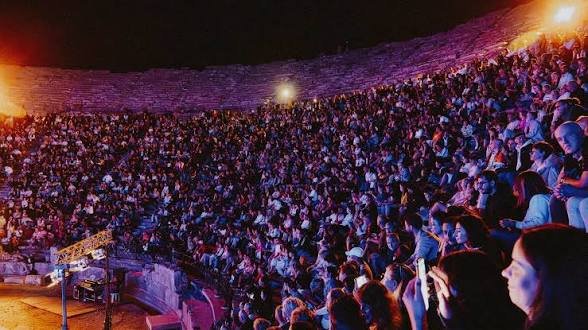
Local reporting described the 2026 march as Mumbai’s largest organized Pride to date, with thousands converging at the historic August Kranti Maidan. The event was framed not only as a celebration of queer life but as a renewal of focused demands: enactment of comprehensive anti-discrimination protections, horizontal reservation and statutory recognition of same-sex unions remain central asks for many activist groups participating in the march.
Organisers and community coalitions used the platform to press for concrete policy changes at municipal and national levels. While Pride in Mumbai has become more festive and media-friendly, the political agenda driving the mobilisation highlights a continuity with earlier legal battles and local campaigns for trans rights, workplace inclusion and access to health and social services.
Fashion, performance and the city’s creative industries
Mumbai’s creative and fashion sectors were prominent at Pride 2026. Designers showcased gender-fluid collections during runway pop-ups, drag artists staged elaborate performances and independent filmmakers screened short works exploring queer histories and contemporary urban life. These cultural interventions do more than entertain: they expand representation, challenge mainstream aesthetics and create commercial pathways for queer talent in India’s entertainment economy.
For many emerging designers and artists, participation in Pride programming offers a visible launching pad. At the same time, activists have cautioned against over-commercialisation, urging event organisers and sponsors to ensure resources and spaces are redistributed to grassroots groups and community-led services.
Safety, accessibility and the grassroots infrastructure
Organisers highlighted logistical improvements in 2026, including better crowd-management, accessible staging and designated safe zones for first-aid and counselling — measures intended to make Pride more inclusive for elders, people with disabilities and families. Volunteer networks and allied NGOs were active in coordinating routes, helplines and rest areas.
Simultaneously, participants reported continuing flashpoints: attendees called for greater police accountability during events and more robust protections against online harassment and workplace discrimination. These concerns reflect a dual reality: while visible progress in social acceptance has accelerated in many urban pockets, institutional protections lag behind public sentiment.
What Mumbai’s Pride means for India
Mumbai’s Pride serves as a barometer for broader social and cultural shifts across India. As one of the country’s largest, most media-visible Pride marches, its blend of entertainment, fashion and sustained policy advocacy signals how queer movements are strategically using lifestyle platforms to move public opinion and influence policy debates.
By integrating film festivals, fashion showcases and mainstream media coverage with a steadfast policy agenda, Mumbai’s Pride 2026 exemplified the modern trajectory of India’s queer movements: a hybrid of celebration and organised civic pressure. For activists, artists and allies, the event was a reminder that cultural visibility and legislative change are interdependent — and that festivals, runways and screenings can be as much a part of rights work as petitions and court cases.
As India’s cities continue to reconfigure social norms, Mumbai’s annual Pride remains both a focal moment of the city’s cultural calendar and a site where entertainment, lifestyle and urgent civic demands intersect. In that convergence lies the movement’s contemporary strength: an ability to celebrate identity while insisting on legal recognition, protection and a fuller claim to citizenship for queer people across the country.