
Mayra Andrade headlines opening as CineBH marks its 20th edition
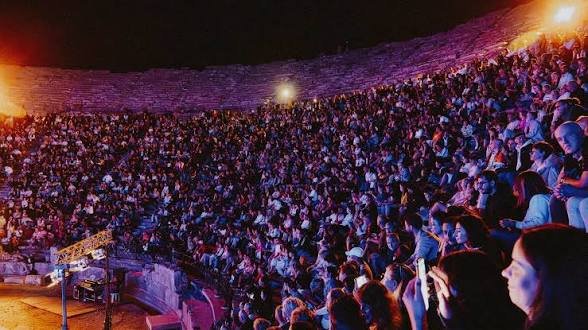
Belo Horizonte’s CineBH festival opened its 20th edition on Monday, September 28, 2026, announcing a program that places Brazilian filmmakers from diverse regions at the center of a hybrid festival that mixes free public screenings across the city with an expanded industry market. The festival’s organizers chose Cape Verde born singer Mayra Andrade to perform at the opening, signaling a broader, pan Lusophone and Afro Atlantic conversation woven through this year’s lineup.
Large Brazilian slate and a renewed industry focus
The festival published its final program and market calendar on September 28, laying out more than 100 films from across Brazil and Latin America in competitive and noncompetitive sections. Organizers emphasized the predominance of nationally produced titles, with films drawn from 18 Brazilian states and multiple new voices in feature and short form. The public program runs in theaters and outdoor venues across Belo Horizonte, while selected titles are also available on the festival streaming portal.
Brazil CineMundi returns with an expanded coproduction agenda
The Brasil CineMundi coproduction market, which runs alongside CineBH, increased the number of project pitches and one on one meetings this year, according to the program release on September 28. Festival managers said the expansion is meant to convert festival attention into concrete production and distribution partnerships, creating a pipeline from regional projects to national and international co financing.
Why this edition matters for Brazilian cinema
This 20th edition arrives amid a packed national festival calendar, but CineBH’s mix of an inclusive public program and tangible market offerings sets it apart. By bringing a large, geographically varied slate of Brazilian films into the same spotlight with international industry delegates, the festival seeks to increase the visibility of works that might otherwise be confined to local circuits. That emphasis on circulation is important for filmmakers outside the main production centers, helping projects find sales agents, festival programmers and co producers.
Programming highlights and attention to new talent
Festival curators highlighted several Brazilian titles and debuts that will likely attract attention during the week of screenings. Along with established filmmakers presenting new works, the competitive sections include first and second features and a selection of short films that festival notes say reflect the diversity of regional storytelling in Brazil. The organizers also announced tributes and special sessions that frame contemporary films against broader Latin American conversations on form and politics.
Public access and citywide activation
CineBH keeps access central to its mission, dedicating free screenings in public spaces and programming aimed at building local audiences. The September 28 program publication confirms a range of free and low cost events, from outdoor screenings in Praça da Liberdade to school sessions, signaling continued municipal engagement with the festival as a cultural platform for Belo Horizonte.
What to watch during the festival week
In addition to competitive premieres, industry panels at Brasil CineMundi will be worth following for observers interested in how Brazilian projects attract international partners. The festival closing and awards, scheduled in the days after the program release, will also indicate which films are likely to travel to other festivals and possibly secure distribution, a key outcome for regional filmmakers who depend on festival circuits to reach broader audiences.
Context for readers
CineBH’s 20th edition, with its program and market details published and updated on September 28, 2026, serves as both a celebration of two decades of festival building in Belo Horizonte and an operational push to convert cultural recognition into industry momentum for Brazilian cinema. For audiences, the festival offers a concentrated window into new voices and the evolving map of national film production. For filmmakers, it represents a practical opportunity to move from festival screenings to co production and distribution relationships that can sustain future projects.
Festival screenings, panels and industry events will continue through the week following the September 28 program release, with award announcements and market outcomes to be watched by participants and observers across Brazil and the region.