Government and platforms unveil local programs to boost digital literacy and child protection
Jakarta , On October 2, 2026, Indonesia’s Ministry of Communication and Digital Affairs participated in a government led Safer Internet Day event in Jakarta that brought together the coordinating ministry for human development, Google Indonesia and YouTube to roll out a package of initiatives intended to improve digital safety for families and young people across the country.
Officials framed the announcements around the theme Bijak Cerdas Berdigital dan Ber-AI, stressing that rapid adoption of artificial intelligence and increased online use by children make stronger literacy, platform accountability and community based resilience essential. The activities announced include a large scale MOOC, a self assessment digital health tool, community youth champion pilots and a content partnership with local creators to produce educational material that is culturally relevant for Indonesian families.
What was announced
Speakers described several concrete measures designed to move beyond guidance documents and into public use. Key items presented at the event include:
- MOOC Bijak Cerdas: a massive open online course intended to teach practical digital skills for parents, teachers and older children, with modules on privacy, misinformation, online wellbeing and safe AI use.
- Cek Kesehatan Digital: a self assessment tool to help individuals and families gauge their online behaviour, privacy settings and exposure to high risk content, with suggested next steps based on the assessment.
- Youth Champions pilot: community level training for local youth leaders to serve as peer educators on digital resilience and safe online practice, using peer to peer outreach rather than top down messaging.
- Creator led educational series: YouTube supported partnerships with well known Indonesian creators and local education channels to create storytelling driven short videos on healthy digital habits and parental controls.
The government said the programs also aim to reduce risks associated with AI driven manipulation and to strengthen protections for minors, an issue that has already produced new regulation and active oversight in Indonesia over the last year.
Why the initiative matters now
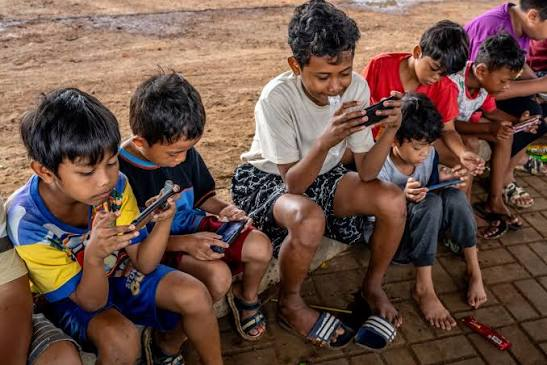
Indonesia has among the largest and fastest growing online populations in Southeast Asia. That combination, together with policies enacted earlier in 2026 that increased regulatory focus on child protection online, has put pressure on both public agencies and global platforms to show measurable progress on safety measures that reach ordinary users.
Officials at the Safer Internet Day event emphasized two linked objectives. First, they said, is to equip Indonesian families and educators with the knowledge and tools to manage digital risk at home and in schools. Second, they urged platforms to make protective technology easier to use and more effective, including automated age appropriate restrictions and clearer account controls.
Practical outreach was singled out as a priority. Government speakers argued that producing accessible local language content, training community peers and integrating assessments into everyday services would increase uptake far more than static rules or guideline documents alone.
Platforms respond with funding and local partnerships
Google Indonesia described the effort as part of its regional work on digital wellbeing and education, noting partnerships with local NGOs and foundations to reach teachers, parents and young people. The platform highlighted a funding commitment from its philanthropic arm to support community led projects and training that together intend to reach hundreds of thousands of Indonesians.
YouTube underscored the content partnership model, saying creator produced videos can help make safety guidance both entertaining and relevant to local audiences. Platform representatives said they will prioritize amplification of verified educational content and support creators with production and distribution resources.
Outstanding questions for oversight and measurement
While the launch signals a stronger push to marry government policy and platform activity, independent observers and child protection advocates will be watching for measurable results. Key questions include how the new initiatives will be evaluated, how platforms will report progress, and what safeguards exist to prevent data collected by assessment tools from being repurposed for marketing or other non safety related uses.
Indonesia has recently tightened its rules for digital platforms and increased enforcement on age restricted access. Those regulatory changes create higher expectations for demonstrable compliance and for transparency on actions such as account deactivation, age verification and content moderation practices. Event organisers said monitoring and reporting will be part of ongoing work between ministries, civil society and platforms.
What to expect next
The government and platform representatives said the immediate next steps are to launch the MOOC and the digital health assessment publicly, begin the Youth Champions pilot in selected provinces and roll out the creator series on YouTube in the coming weeks. Officials said these interventions will be paired with continued policy and technical discussions aimed at making safety measures easier to use and scale across Indonesia’s diverse regions.
For families and educators, the announcements represent an attempt to shift the debate from abstract rules to hands on tools and community led education, at a point when AI driven services and widespread mobile connectivity are reshaping how children interact with the digital world.
As these programs move from pilot to scale, the quality of partnerships, transparency of measurement and the platforms willingness to bake protections into product design will determine whether the effort produces durable improvements in online safety for Indonesia’s children.