Fed moves to tighten again as inflation refuses to fall quickly
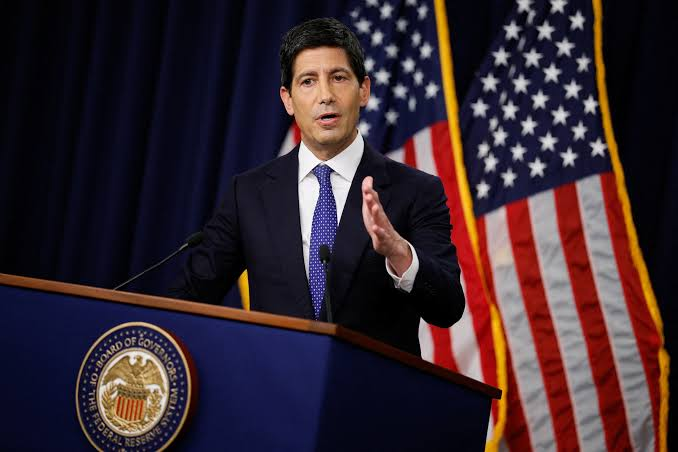
The Federal Reserve on Wednesday raised its policy rate, marking the first of a fresh series of increases after a period of pause. Officials said elevated price pressures and a surprisingly resilient U.S. economy warranted a renewed push to bring inflation back toward the central bank's 2 percent goal.
What the decision means for businesses
Higher short term interest rates raise the cost of capital across the economy. For nonfinancial corporations, that translates to more expensive credit for working capital, capital expenditures and corporate refinancing. Companies with large debt loads or upcoming bond maturities face immediate pressure on profit margins as borrowing costs rise.
Real estate and construction firms are already feeling the effects through higher mortgage and construction financing rates. The residential market is particularly sensitive: mortgage rates climbed sharply ahead of the Fed meeting and are now near levels that historically cool home buying. That dampening effect can slow demand for building materials and related services.
Markets and investor expectations adjust
Equity markets responded to the Fed action with greater volatility as investors repriced growth expectations. Stocks in interest rate sensitive sectors, such as technology and real estate, underperformed after the announcement. Bond yields jumped at longer maturities as traders factored in the potential for more than one additional tightening this year, pushing borrowing costs higher across the corporate curve.
Analysts say the immediate market move reflects two forces. One is the Fed's signal that it may continue raising rates if inflation does not retreat. The other is stronger-than-expected economic data in recent months that has lowered the probability of a near term slowdown and implied central bank persistence.
Small and medium sized businesses face a particular squeeze
Smaller firms, which rely more on bank lending and short term credit lines than on capital markets, tend to feel rate increases faster. Banks typically pass through higher policy rates into commercial and industrial loans and lines of credit. That dynamic tightens financial conditions for entrepreneurs, slows hiring plans and can defer investment in equipment and expansion.
Trade groups and regional bankers warn that a sustained period of higher rates would widen the gap between larger corporations that can access capital markets and smaller firms that cannot. That divergence could reshape hiring and investment patterns across sectors and regions.
Wage and inflation dynamics remain central
Policymakers said they remain concerned that wage growth and other cost pressures could sustain inflation. If businesses continue to face rising input costs and pass those onto consumers, the Fed could feel compelled to extend its tightening cycle until there is clearer evidence of sustained disinflation.
For employers, the key challenge is balancing the need to absorb higher interest and input costs while maintaining competitiveness in a labor market that has, until recently, shown resilience. Some firms may slow hiring or increase automation investments to limit labor cost growth, which would have downstream effects on consumer spending.
How consumers will feel it
Consumers will see the Fed move most directly through mortgage, auto loan and credit card rates. Higher borrowing costs reduce household budgets and can shave consumer demand for discretionary goods and services. That slowdown, in turn, can feed into corporate revenue growth and profit forecasts, especially for consumer discretionary and retail sectors.
Mortgage rate-sensitive segments such as home builders and mortgage lenders could see order flow and revenue slow, while utilities and consumer staples often fare better because of steady demand.
Policy trade offs and outlook
The Fed faces a difficult trade off. Raising rates helps cool demand and should reduce inflation if monetary policy sufficiently tightens. However, overtightening risks tipping the economy into a sharper slowdown, increasing unemployment and undermining corporate revenue. The path forward, according to officials, depends on incoming data on prices, labor markets and economic activity.
Market participants now expect a period in which policymakers will pivot carefully between additional rate hikes and pauses, watching monthly inflation and jobs reports closely. For businesses, the prudent steps are stress testing balance sheets for higher borrowing costs, reexamining investment plans, and hedging interest rate exposure where feasible.
Why this matters for the United States economy
The Fed action is central to U.S. economic policy and will shape the operating environment for American companies across industries. Interest rates influence everything from corporate investment decisions and household purchases to the cost of servicing federal borrowing. As the central bank recommits to fighting persistent inflation, companies and markets must adapt to a higher cost of capital and a less certain growth outlook.
How long the tightening continues will depend on future inflation readings, labor market conditions, and the Fed's assessment of whether higher rates are being transmitted through the economy effectively. For now, the decision signals a recalibration of monetary policy with clear consequences for corporate borrowing, consumer spending and financial markets across the United States.