Judge signs off on settlement that had blocked the takeover
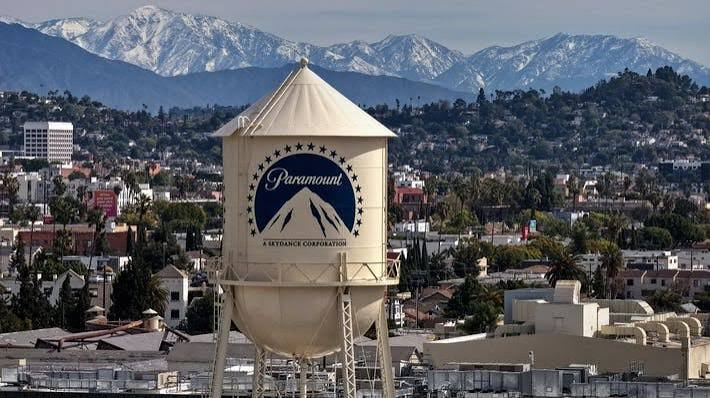
A federal judge has entered an order approving a settlement between Paramount Skydance and a coalition of 12 state attorneys general, removing the final judicial barrier that had delayed the companys planned acquisition of Warner Bros Discovery. The approval, documented in court filings and reported by national outlets, clears the way for Paramount to finalize the takeover in early October, with company executives signaling a closing date in the first week of the month.
Key commitments in the settlement
The settlement attaches a package of enforceable commitments to the merged companys operations in the United States. Among the most consequential terms are a guarantee that the combined studio will release at least 30 theatrically distributed films per year for a multi year period, and a pledge to increase domestic production spending by about 300 million dollars annually, totaling roughly 1.5 billion dollars over five years compared with the studios combined 2025 baseline.
The agreement also includes workforce and community provisions, such as multi year investments in training and arts programs and an independent fund to support independent producers. For the companys news businesses, the settlement creates a News Editorial Independence Board charged with setting guiding principles to protect newsroom autonomy at the major networks that will be brought under the combined corporate umbrella.
Why it matters for Hollywood and beyond
The merger will unite two of the industrys most recognizable studios, bringing together vast film and television libraries, major franchise properties and a portfolio of broadcast and cable networks. Once closed, the combined company will span theatrical distribution, streaming services and news organizations, concentrating a wide range of content production and distribution under a single corporate roof.
Supporters of the deal argue the scale will enable larger investments in content and efficiencies across production and distribution, potentially stabilizing a streaming market that has struggled to reach profitability. Critics say the consolidation risks reducing competition, narrowing the diversity of films and series produced at scale, and centralizing influence over news outlets that reach millions of Americans.
Labor, creative and market consequences
Union leaders and industry guilds have watched the negotiations closely. The settlement includes explicit language preserving existing collective bargaining agreements and committing the combined company to bargain in good faith with unions over successor contracts. Nevertheless, analysts and labor representatives warn that projected cost savings tied to integration, estimated in public filings to total billions of dollars, could lead to job reductions in studio operations, distribution and back office functions.
For creatives and independent producers, the expanded studios output targets and the independent film fund provide both opportunity and uncertainty. On one hand, a mandatory minimum number of theatrical releases could create more mid budget openings that studios have scaled back in recent years. On the other hand, the new giants gatekeeping power over marketing and theater bookings could make it harder for smaller producers to gain traction without studio backing.
Newsroom independence and political scrutiny
One of the settlements more unusual provisions is the requirement to establish monitoring designed to protect editorial independence at major newsrooms that will be part of the combined companys portfolio. That reflects concern among the attorneys general that the corporate merger could undermine journalistic autonomy at outlets with nationwide reach.
How the News Editorial Independence Board will operate in practice, including its authority, membership and enforcement mechanisms, will be closely watched by journalists, media watchdogs and lawmakers. Some observers note that structural safeguards are historically difficult to enforce over time, making the details of implementation as important as the promise of independence itself.
Regulatory and market next steps
With the judge’s order now entered, Paramount has signaled an intent to complete the transaction in the coming days. Closing will trigger a rapid period of leadership appointments and integration planning; Paramount has already announced senior corporate changes tied to the merger timetable. The combined company will immediately command a larger share of theatrical distribution, streaming subscribers and television viewers, prompting renewed attention from state regulators, competitors and advertisers.
Because the settlement rests on behavioral commitments rather than structural remedies, future compliance monitoring will be essential to determine whether the promised production increases and editorial protections are met. If the combined company deviates from its undertakings, the agreement leaves room for further enforcement action by the participating states or other legal challenges.
What to watch next
Industry participants and the public should monitor three developments closely in the coming weeks. First, the formal closing date and the announced leadership and integration plan will reveal how quickly management intends to consolidate operations. Second, the composition and charter of the News Editorial Independence Board will show how seriously editorial safeguards will be enforced. Third, the immediate slate and release schedule for theatrical films will signal whether the company intends to meet or exceed its new production commitments.
The courtroom approval marks a major turning point in a merger that has been months in the making, and it promises to reshape decision making across the entertainment and news industries in the United States. For Hollywood, the consolidation underlines a moment of reinvention, with independent creators, labor groups and regulators all positioned to test whether new rules can preserve competition, jobs and journalistic autonomy as the giants become larger than ever.