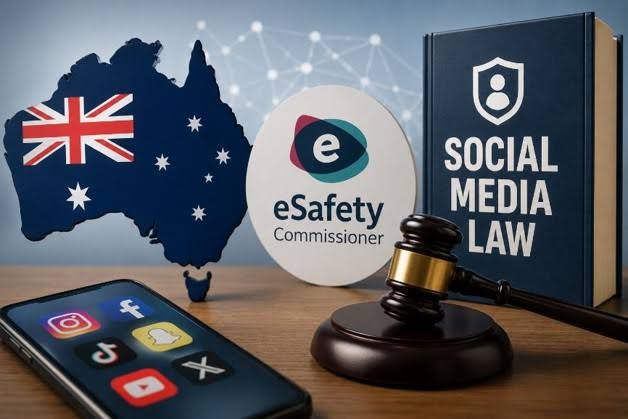
Australia’s plan to press social media platforms into a new era of tighter regulation has triggered a fresh wave of debate after the exposure draft of the Online Safety Amendment, known as the Digital Duty of Care, was shown to include a broadly drafted power for the eSafety Commissioner and approved researchers to create and operate so called sock puppet identities on online services.
What the draft permits
The exposure draft, published by the federal Department of Infrastructure, spells out a new Division that labels false or fictitious online personas as sock puppet identities. It authorises approved researchers and the eSafety Commissioner to assume those identities for the performance of their statutory functions, and says such activity has effect despite any other law or contractual rule that a platform may have.
Under the draft, those authorised to use sock puppet identities may create accounts, observe and make a record of material they see, engage with services and their providers, and, in the Commissioner’s case, generate material using an online service, including by means of artificial intelligence, so long as the material itself does not break criminal law. The text also contains an immunity provision shielding actions done in good faith from civil proceedings.
Why this has resurfaced now
The exposure draft was published for targeted consultation in early September as part of the government’s push to introduce stronger online-safety rules and new duties for platforms. Although the draft has been available for weeks, attention focused sharply this week after independent commentators and analysts highlighted the specific Division authorising sock puppet identities and explained its practical implications.
The drafting uses open ended language in several places, including the phrase without limitation when listing permitted activities, and an override that says authorised use applies despite anything to the contrary in any law or policy. Those drafting choices have amplified concern among lawyers, digital rights advocates and some platform observers who say the combination of broad powers, the ability to use AI generated personas, and immunity from civil action creates a risk of covert state operated influence and surveillance on social networks and other online spaces.
Responses from expert and civil society quarters
Legal analysis from international and local law firms and policy commentators has underlined that the exposure draft does explicitly create the sock puppet mechanism and that it removes platform contractual barriers to fake accounts when those accounts are used by authorised actors. At the same time, human rights and civil liberties voices say the draft lacks clear, binding transparency and accountability measures, such as mandatory registration, reporting, independent oversight, limits on scale, or requirements to label content produced by government operated or AI generated accounts.
Supporters of a strong duty of care respond that regulators need tools to understand platform behaviour, to test platform responses and to detect harms that occur in closed communities or behind technical barriers that only a service account would reveal. They say carefully regulated, limited research and enforcement techniques can be legitimate when fitted with strict procedural safeguards. But critics point out the exposure draft places few of those safeguards in statute and leaves many practical limits to later regulations or administrative practice.
Practical risks and the policy trade off
Analysts who have read and annotated the draft note a number of practical concerns. First, a regulator operating unlabelled fictitious accounts can observe and record private and closed group interactions where harmful behaviour may occur, which raises privacy and data retention questions. Second, the ability to generate lawful material with AI, without a requirement to disclose that the content is machine made or state backed, blurs the line between legitimate public interest research and covert influence operations. Third, the immunity clause limits civil redress while the draft sets no statutory requirement to publish a register of such activities or to submit to judicial or parliamentary transparency checks.
Those trade offs sit at the centre of current debate: how to let regulators investigate and enforce online-safety duties without creating tools that state actors can use to shape or manipulate public online conversations without public knowledge.
What comes next
The government says the exposure draft is intended to allow targeted consultation and will be followed by a bill introduced to Parliament before the end of the year. Ministers and the Department have previously framed the Digital Duty of Care as the next step in curbing harms and giving users more choice and safety online, including an opt out from algorithmic feeds and stronger protections for children. The exposure draft also attaches significant penalties for breach by platforms.
Stakeholders will now press for amendments if they are to support the final law. Suggested edits from civil society groups, lawyers and some industry commentators include narrowing the scope of the fake identity power, prescribing strict oversight and reporting obligations, requiring explicit labelling of AI and state produced content, setting limits on how and when private communications can be recorded and retained, and establishing an independent review mechanism to approve intrusive investigative techniques.
Whatever changes are made, the debate over sock puppet identities crystallises a broader global tension: countries are trying to rein in platform harms but must balance that aim against rights, transparency and the integrity of public discourse. For Australia, where lawmakers have already enacted a ground breaking under 16 social media ban and are proposing algorithmic opt outs, the Digital Duty of Care will be judged by whether it protects people without creating new risks to privacy and democratic debate.
The exposure draft and the specific Division on sock puppet identities are likely to be a focus for parliamentary scrutiny and public submissions in the coming weeks, as lawmakers weigh competing imperatives of enforcement and oversight.