Beijing announces fresh fiscal and industrial support to shore up property sector amid ongoing slowdown
China unveiled a targeted package of fiscal backstops and local-government measures on September 27, 2026, aimed at stabilizing the struggling property sector and preventing further spillovers to growth and local finances.
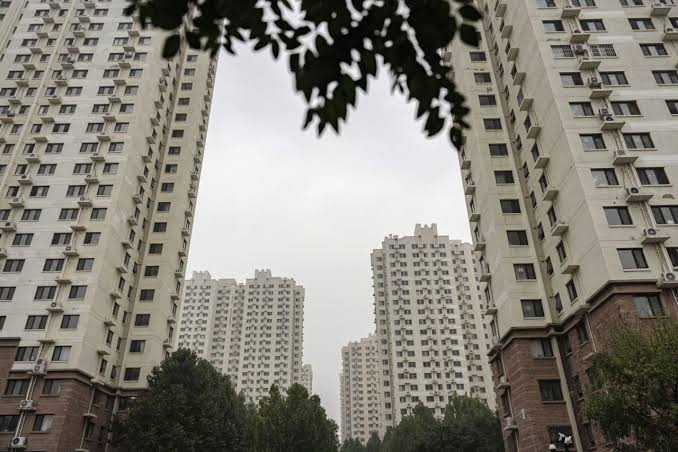
Beijing on September 27, 2026 set out a package of measures intended to steady China’s long-stressed property sector, the government’s latest effort to prevent further contagion into the broader economy. The announcements combine stepped up fiscal support, guidance to local governments on debt and land-sale management, and incentives to restart stalled housing projects, officials said. The move is framed as a targeted, structural attempt to rebalance an industry that has dragged on investment and local government revenue for several years. Authorities signaled they will tolerate more active fiscal transfers and provide explicit backstops for certain projects, while steering a longer term shift toward more sustainable property financing and sales arrangements. New fiscal backstops and bond tools Central authorities authorized a set of fiscal mechanisms that will let local governments deploy funds more quickly to complete unfinished residential developments, according to the announcements. The measures include clearer rules for using special-purpose bond proceeds and for repurposing some local fiscal revenues to close funding gaps on priority projects. Officials also directed state finance bodies to strengthen temporary fiscal backstops for projects deemed critical to social stability or to the functioning of urban housing markets. That backstop will not amount to open ended bailouts, the guidance said, but it does mark a shift toward taking direct, time limited fiscal responsibilities in cases where stalled construction threatens to leave large numbers of homebuyers unpaid or buildings incomplete. Guidance for local governments and developers The central government instructed provinces to tighten oversight of local government financing vehicles, and to prioritise converting land sale receipts and other available cash into construction financing for partially completed projects. Local authorities are being told to fast track approvals that unblock funding for projects with significant social impact, while restricting speculative necessary measures intended to arbitrage short term price movements. Beijing also signalled a measured easing on home purchase restrictions in specific cities where demand is weakest, while maintaining the national stance of preventing “hot money” speculation. Policy makers called for credit support for smaller, solvent developers and for the creation of financing windows that can be tapped quickly to finish half built developments without transferring undue systemic risk to the banking system. Why authorities acted now The property sector has been contracting for more than two years, and its weakness has been a major factor behind falling fixed asset investment and slowing growth. Land sale receipts account for a large part of many local governments’ revenue. As those receipts declined, cash strapped municipalities faced tighter budgets at the same time owner complaints and unfinished projects mounted. Beijing’s statement presented the measures as calibrated and temporary, designed to limit near term social and financial disruption while advancing a longer term restructuring of the market. Officials justified the interventions as necessary to stabilise construction employment, protect small buyers, and maintain broader economic confidence. Market and analyst reaction Analysts said the package is meaningful because it focuses on converting available local fiscal resources and bond proceeds into visible project completions, rather than relying solely on broad liquidity injections. That focus could produce a faster improvement in housing starts and sales if local governments implement the guidance effectively. But independent economists noted several limits. Analysts warned the size of the measures, and how quickly local governments can access and deploy funds, will determine their overall impact. They also flagged that measures which rely on repurposing land sale revenue will not solve deeper structural issues such as oversupply in some cities, weak household demand, and developers elevated debt burdens. Implications for national growth and lenders If implemented successfully, the measures could slow the deterioration in property investment, reducing one key drag on headline growth. Completing stalled projects would also reduce the number of distressed developers and boost employment in construction and related industries. However, the strategy increases the emphasis on local fiscal capacity and the speed of converting policy guidance into action at the municipal level. That leaves bond markets and banks watching closely for proof that pledged support translates into cash flows for construction and repayments, rather than accounting or administrative changes. What to watch next The most important near term signals will come from two places. First, whether provincial and municipal finance departments quickly issue operational instructions to release special bond proceeds and other funds toward listed priority projects. Second, whether local governments identify the scale of projects that qualify for central backstops and start completion work within weeks rather than months. Policymakers also face a balancing act. They must provide sufficient support to restore buyer and creditor confidence, while continuing to press developers to shift away from leverage driven growth. The September 27 measures are a step toward that trade off, but their success will depend on timely, transparent implementation down to municipal project level. The central government said it will monitor results and adjust policy where needed, emphasising that the objective is a stable transition for the property sector while protecting fiscal sustainability and limiting systemic risk.
Topics
LocationBeijing